
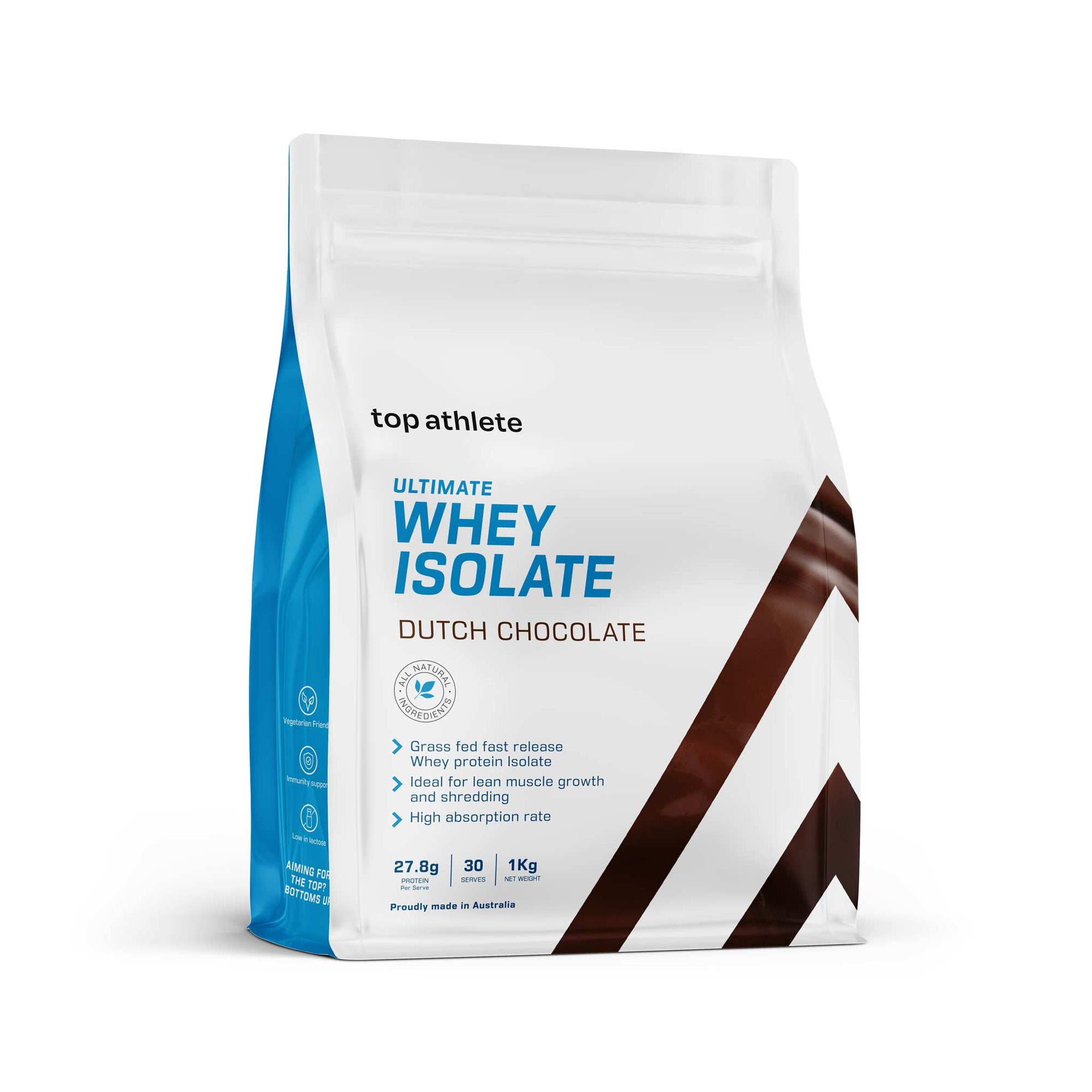
Ultimate Whey Isolate Dutch Chocolate
16/5 Scanlon Drive, Epping

16/5 Scanlon Drive
Epping VIC 3076
Australia

+61392190850

Pickup available, usually ready in 1 hour
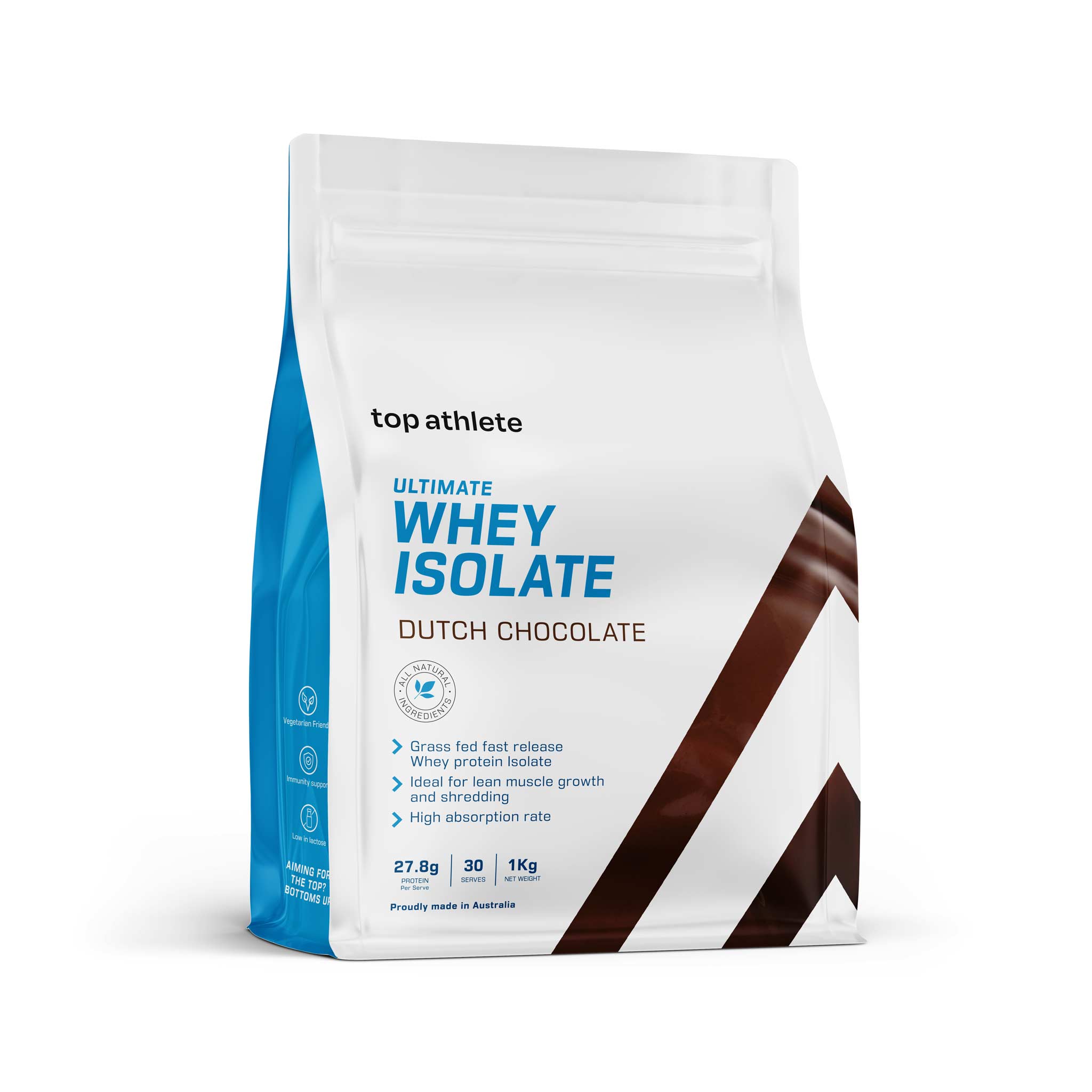
Ultimate Whey Isolate Dutch Chocolate
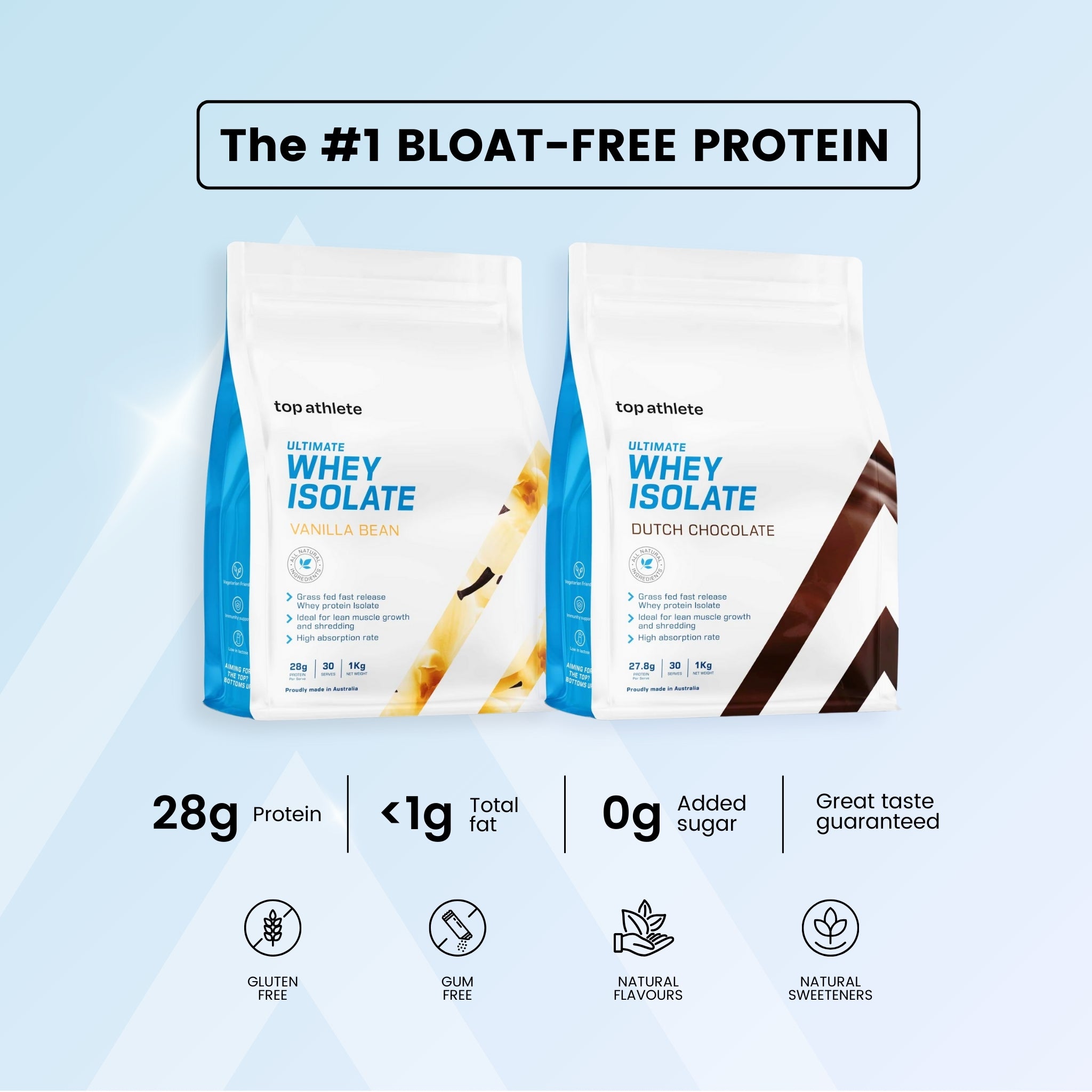
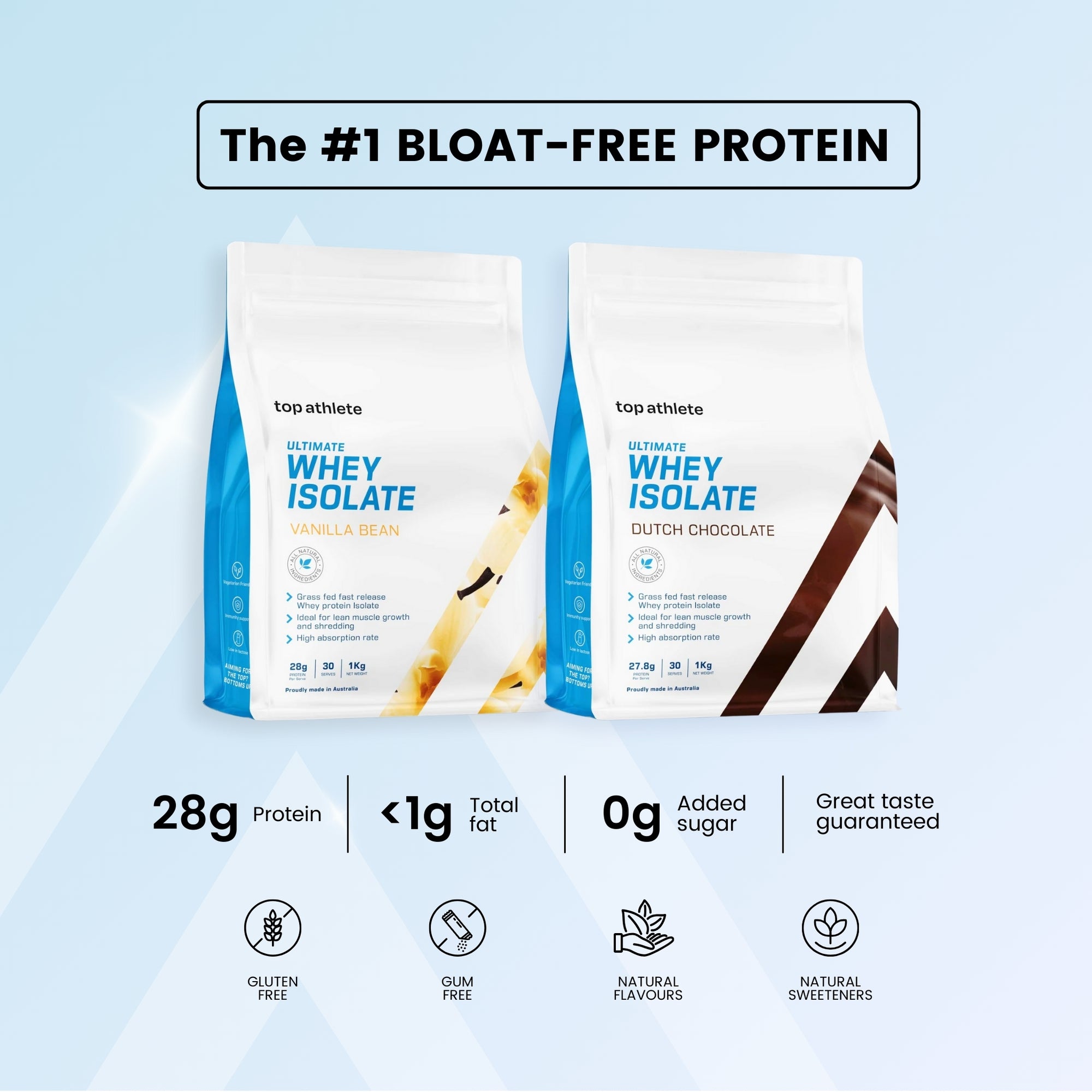
Two packages of top athlete Ultimate Whey Isolate on a light blue background with product details.
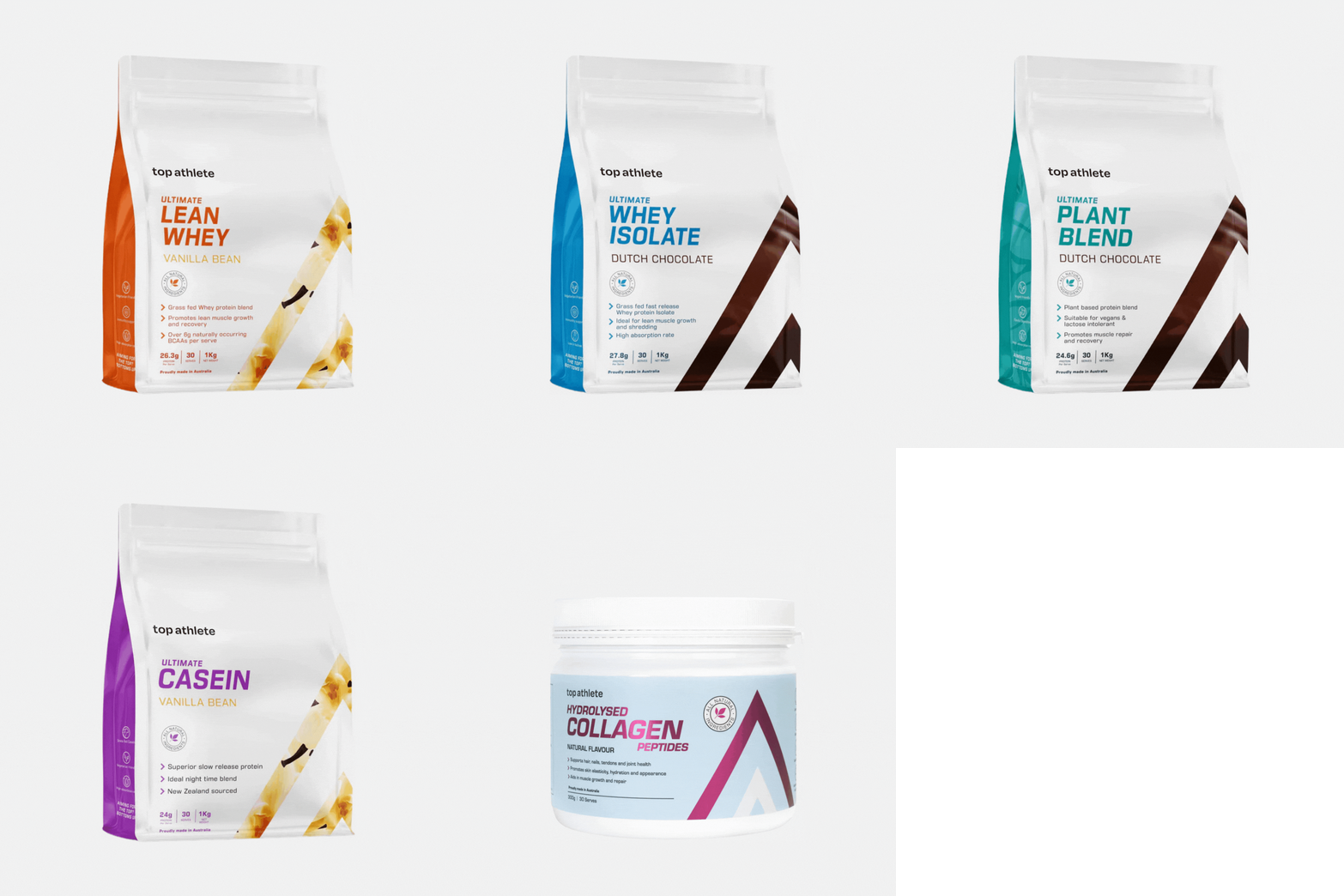
Comparison chart between proteins, highlighting differences.
Top Athlete Ultimate Whey Isolate Dutch Chocolate packaging with chocolate pieces on a brown background
Athlete holding a protein powder package and shaker bottle
Athlete holding two packages of top athlete whey isolate powder.

Ingredients

Whey Protein Isolate (MILK), Natural Dutch Cocoa, Natural Chocolate Flavours, Organic Stevia.

ALLERGENS
Contains: milk
Packed under HACCP conditions in a facility that also packs dairy, nuts and dried fruit.

Nutritional info

Formulated supplementary sports Food. This product is not a sole source of nutrition and should be consumed in conjunction with a nutritious diet and an appropriate training or exercise program. Not suitable for children under 15 years of age or pregnant women, Should only be used under medical or dietetic supervision.

Third Party Testing

How to use

Mix one heaped scoop with 250-300ml of water and shake vigorously. Ideally taken post workout and/or as a snack. Add less or more water to perfect individual sweetness.

Storage: Store sealed in a cool, dry place, away from direct sunlight below 25 degrees Celsius.

Benefits

- Grass fed fast release Whey protein Isolate
- Supports lean muscle growth, shredding & weight management.
- High absorption rate
- Vegetarian & Keto Friendly
- Immunity Support
- Low in lactose
- Sweetened with natural stevia
- Delicious tasting
- Easy Mixability

Shipping

Same day despatch for orders before 2pm.

FREE SHIPPING ON ORDERS OVER $150

Australia-wide Flat Rate
Shipping - 
$11
(For orders under $150)

Australia-wide Express
Shipping -
 $14.95 (For
all orders)

Common FAQ's

Where is Top Athlete Whey Isolate sourced from?

Top Athlete Whey protein is sourced from Australian, New Zealand or European grass-fed dairy farms that strictly adhere to animal welfare, product quality & FSANZ standards to ensure purity, consistency
and great taste.

Why should I choose Top Athlete Whey Isolate over other brands?

We focus on quality over marketing. That means grass-fed
whey, no gums or fillers, naturally sweetened flavours, third-party quality
testing, and ingredients chosen for performance - not just label appeal.

What is Whey Protein Isolate (WPI)?

Whey Protein Isolate or WPI is a very fast-digesting dairy protein that has the highest protein intake per serving with almost no carbohydrates or fats. WPI is also 99% lactose-free, making it suitable for most people who are lactose intolerant.

Is this whey protein suitable if I'm lactose sensitive?

Our Whey Isolate is filtered to remove most of the lactose, making it much easier to digest than regular whey concentrate. While it isn't completely lactose-free, many people with mild lactose sensitivity tolerate it well.

However, if you're super sensitive to lactose, then you can try our Plant proteins blends here.

Will this protein cause bloating?

Our Whey Isolate is formulated to be easy on the stomach. Unlike many protein powders, we don't add gums, thickeners or unnecessary fillers that can contribute to digestive discomfort in some people. It's also naturally low in lactose making it a great option for many people looking for a
cleaner, easier-to-digest protein.

What is HASTA testing?

In Australia, 'HASTA' stands for the Human and Supplement Testing Australia. It is an independent testing organization that certifies supplements for safety and quality, ensuring they are free from banned substances.

HASTA certification is especially important for athletes who are subject to anti-doping regulations, as it verifies that the supplements they are taking are safe and comply with the standards of sports governing bodies like WADA (World Anti-Doping Agency).

For our full list of products tested by HASTA, click here

Benefits and Uses:

When is the best time to take Whey Isolate?

You can enjoy it whenever it helps you meet your daily protein needs. Popular times include after training, with breakfast, between meals or anytime you need a convenient, high-protein snack.

Can I use this protein for weight loss?

Ultimate Whey Isolate is great for weight management goals.

Is this suitable for building muscle?

Yes. Whey Isolate is a complete protein containing all nine essential amino acids, including naturally occurring BCAAs, making it ideal for supporting muscle growth and recovery when combined with resistance training.

Can I use whey protein as a meal replacement?

Whey protein can be used as part of a meal, but on its own it is not designed to replace a complete meal. While it provides high-quality protein, it lacks the carbohydrates, healthy fats, fibre, vitamins and minerals found in a balanced meal.

For a more complete meal replacement, combine whey protein with real food ingredients like oats, fruit, nuts or seeds to create a nutritious, well-rounded shake.

Can Whey Protein be used during Pregnancy or breastfeeding?

While whey protein itself is not harmful, its usage during pregnancy or breastfeeding should be approached with caution and under the guidance of a healthcare professional.

Comparisons and Differences:

What is the difference Between Ultimate Whey Isolate and Ultimate Lean Whey?

Whey Isolate is a premium form of whey protein, offers the highest protein content per serve and minimal fats and carbs. It is remarkably low in lactose (99% lactose free), making it an excellent choice for individuals with lactose intolerance who struggle with protein digestion.

On the other hand, Lean Protein is a blend of Whey Isolate and whey concentrate, providing slightly less protein per serving and a higher lactose content compared to Isolate. However, it offers a more favourable price point.

What is the difference between Whey Protein and Plant Protein?

Whey protein is a complete protein derived from milk that naturally contains all nine essential amino acids and is rapidly absorbed, making it ideal for muscle recovery and growth after exercise.

Plant protein is made from sources such as peas, rice or faba beans and is a great dairy-free option for those following a vegan lifestyle or avoiding dairy.


    What is the difference between Whey Protein and Collagen Protein?

    Whey protein is derived from milk during the cheese-making process and is a complete protein containing all nine essential amino acids, making it ideal for muscle growth and recovery.

    Collagen protein is typically sourced from the connective tissues, skin and hides of animals such as grass-fed cattle or marine fish. It is rich in collagen peptides and amino acids like glycine and proline, which help support healthy skin, joints, tendons and ligaments.

    While both are excellent sources of protein, they are designed for different purposes and can be used together as part of a balanced nutrition plan.

    Is Whey Protein Keto Friendly?

    Yes, whey protein can be keto friendly, provided it's low in carbohydrates and sugar. Whey protein isolate is typically the best option for a ketogenic diet because most of the lactose, carbohydrates and fat have been removed during processing. Always check the nutrition panel to ensure the product fits within your daily carbohydrate intake.

    Is whey protein vegetarian friendly?

    Yes, whey protein is suitable for most vegetarians because it is derived from milk rather than meat. It is a dairy-based protein produced during the cheese-making process. However, it is not suitable for vegans, as it comes from animal-derived milk.

    Safety and Side Effects:

    Can Whey Protein Cause Acne?

    There is some evidence to suggest that whey protein may potentially contribute to the development of acne in certain individuals. However, it is essential to understand that the link between whey protein consumption and acne is not definitive and can vary from person to person.

    The potential connection between whey protein and acne is attributed to several factors:

    1. Hormonal Effects: Too much Whey protein can increase the production of insulin and insulin-like growth factor 1 (IGF-1). Elevated levels of these hormones may influence sebum (oil) production, which can lead to clogged pores and contribute to the development of acne.

    2. Dairy Sensitivity: Some individuals may be sensitive to dairy products, including whey protein. Dairy sensitivity can trigger an inflammatory response in the body, which might worsen acne in susceptible individuals.

    3. Digestive Issues: Whey protein can be challenging to digest for some people, leading to gastrointestinal disturbances. Digestive problems can also contribute to the development of acne by altering the gut microbiome and potentially leading to systemic inflammation.

    4. Dietary Habits: People who consume whey protein supplements might also have other dietary habits that could influence acne, such as consuming large amounts of sugary foods or processed carbohydrates, which can exacerbate skin issues.

      It's important to note that not everyone who takes whey protein will experience acne, and some individuals may be able to tolerate it without any adverse effects on their skin.

      If you are concerned about whey protein's impact on your skin, consider the following steps:

              Consult a Healthcare Professional

              Monitor Your Diet

              Try alternative protein Sources

              Maintain a Healthy Healthcare Routine


    Can Whey Protein cause bloating?

    Whey protein can cause bloating in some individuals. Bloating is a common side effect associated with the consumption of whey protein, especially for those who are lactose intolerant or have a sensitivity to dairy products.

    Additionally, some people may be sensitive to certain components of whey protein, such as lactoglobulin or lactalbumin, which can also trigger digestive issues like bloating.

    If you experience bloating or other digestive discomfort after consuming whey protein, you may want to consider alternative protein sources such as plant-based protein powders like pea protein, soy protein, or rice protein. Alternatively, you can opt for 99% lactose-free whey protein isolates.

    Can Whey Protein cause hair loss?

    No, there is no strong scientific evidence that whey protein causes hair loss in healthy individuals. Hair loss is more commonly influenced by genetics, hormones, stress, illness, or nutrient deficiencies. Consuming whey protein as part of a balanced diet does not appear to increase the risk of hair loss and can help support overall protein intake, which is important for healthy hair growth.

    Service Related FAQs

    Please refer here