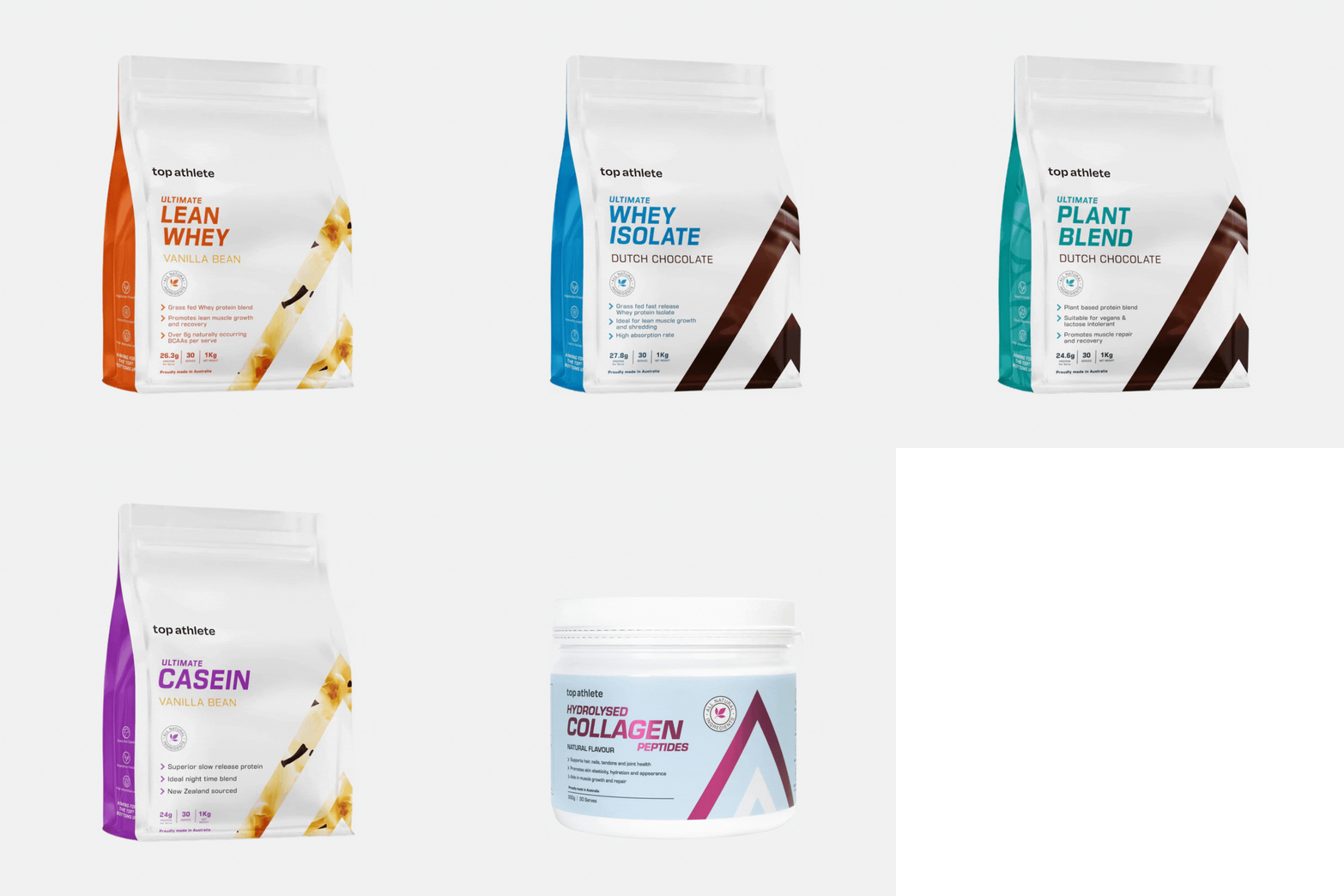
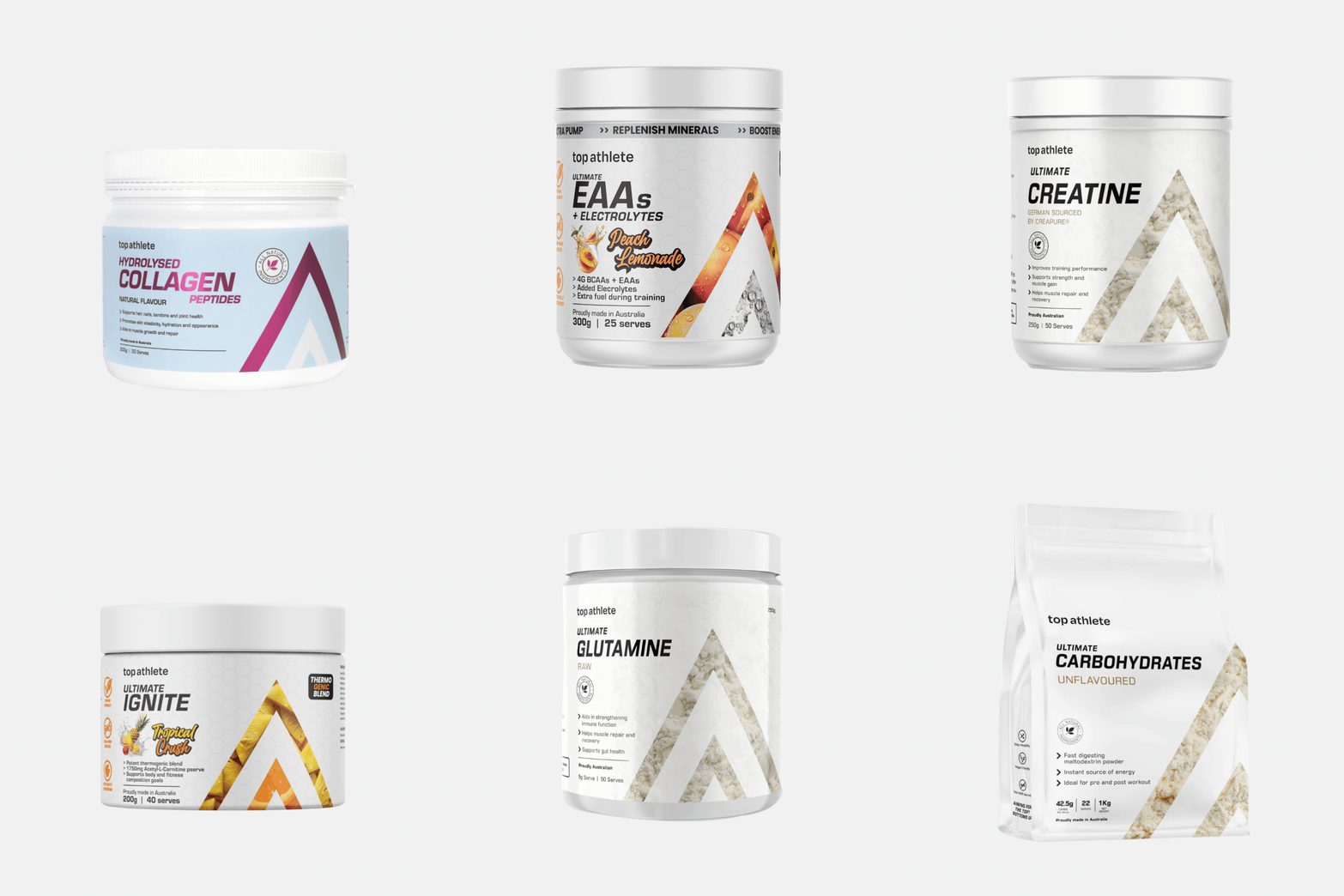


Fast answers
- Whey protein is the best protein powder for recovery post-training.
- Casein offers slower repair, better for overnight recovery.
- Plant-based proteins are still amazing and good if you’ve got to avoid dairy.
- Collagen isn’t used for building muscle, it can support both tendon and joint health.
What is Protein?
Protein is an essential nutrient that is good for healing, repair, immune function and overall health.
The Australian Dietary Guideline says that adults who are active will benefit from a higher protein intake, particularly if they are training. An important distinction to make is the consideration of which protein is best for you, as each type offers different benefits.
Ahead, we will cover the different choices you have in order for you to decide the best protein powder for your specific goals.
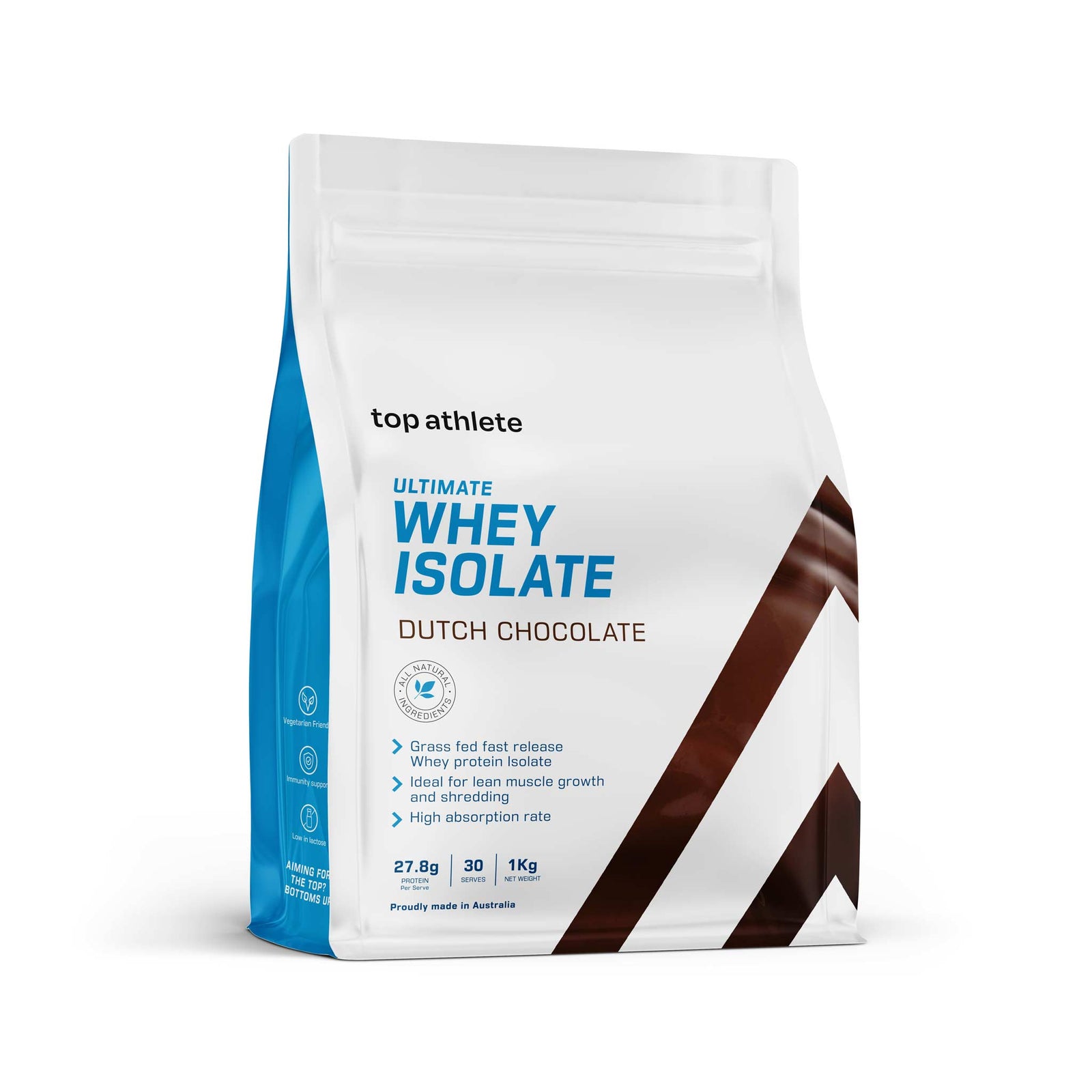
What Is Whey Protein Isolate (WPI)?
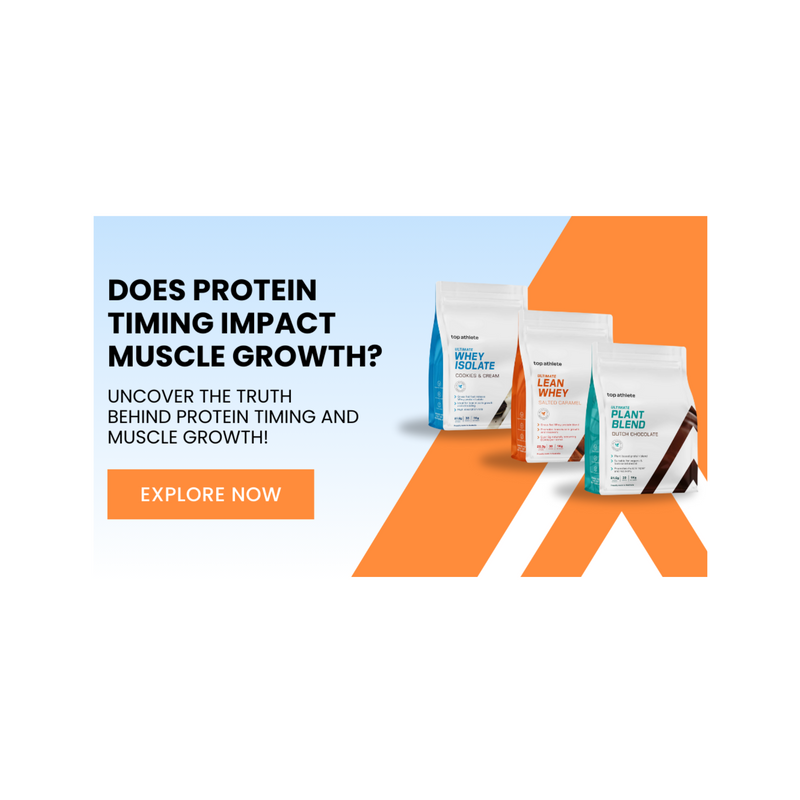
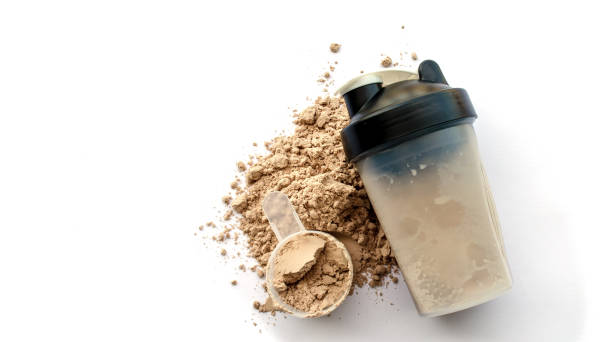
Whey comes from dairy, it contains a high level of amino acids, which stimulate the rebuilding of your muscles. It’s one of the most widely researched and popular supplements used by athletes.
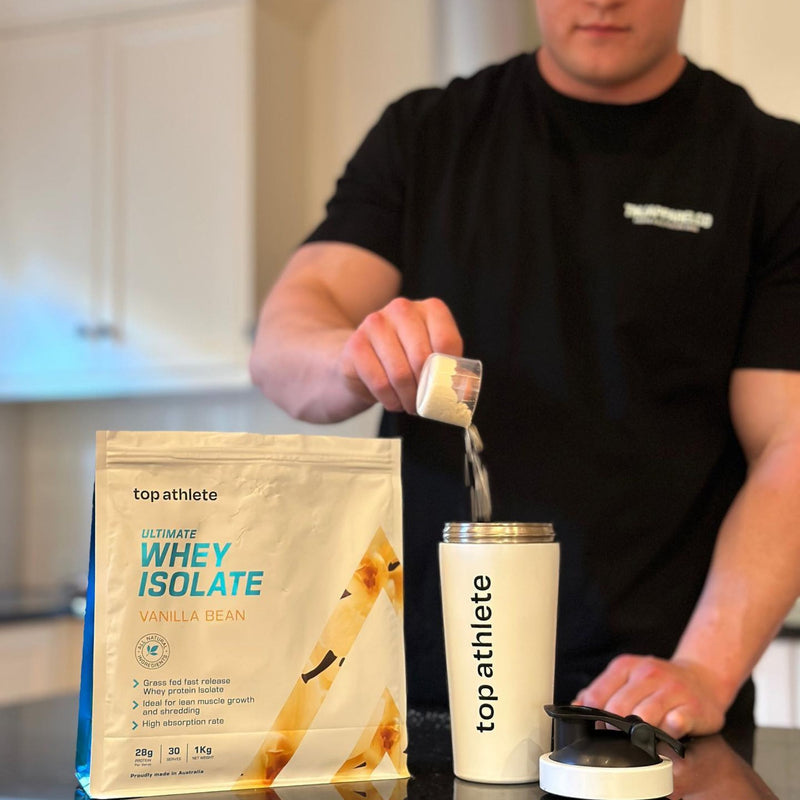
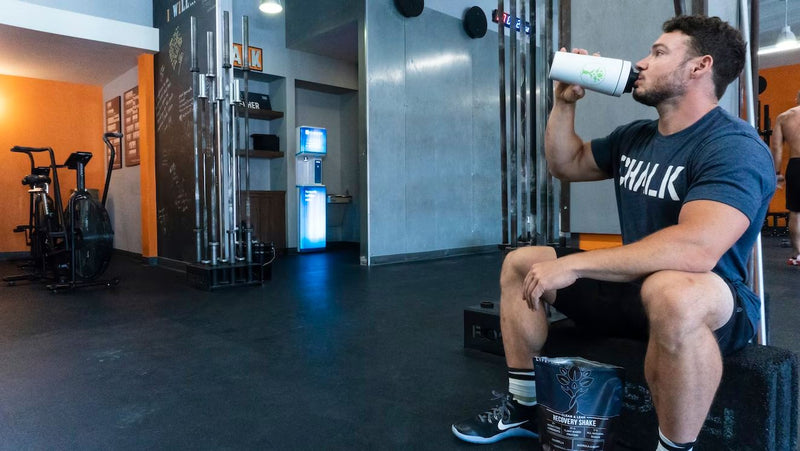
Whey is absorbed quickly, which makes it good to take immediately after training, especially for those higher intensity workouts.
Concentrate or Isolate, what’s the difference?
Whey Concentrate is processed less and contains more carbohydrates and fats. It is still high in protein and equally as effective. Whey Protein Isolate is a higher-purity protein and contains lower amounts of lactose. It’s seen as the best protein powder for fast absorption alongside a minimal amount of additives.
Who is whey protein good for?
- Those training strength
- Those who play field or court sports
- Those requiring quick recovery
Whey protein is backed by lots of research, including government backed guidelines from sports.org.au as well as the Australian Institute of Sport.

What is Casein?
Casein also comes from dairy, however, unlike whey, it is digested slowly. The question ‘Is Casein better for overnight recovery?’ often comes up, and the answer is yes. As opposed to the almost immediate boost in amino acids that whey provides, Casein offers a slower delivery over a few hours.
Why choose casein?
- Muscle breakdown overnight is reduced
- Maintains the feeling of satiation
- Good for intense training, or for when your appetite isn’t there
Who is casein good for?
- Those who train in the evening
- Those who wake up feeling sore
- Those who want a slower, gradual release of protein
Trainers and nutritionists who work with athletes, those following Nutrition Australia guidance, use casein before bed to aid in recovery and wake up feeling fresh.
What Are Plant-Based Proteins?
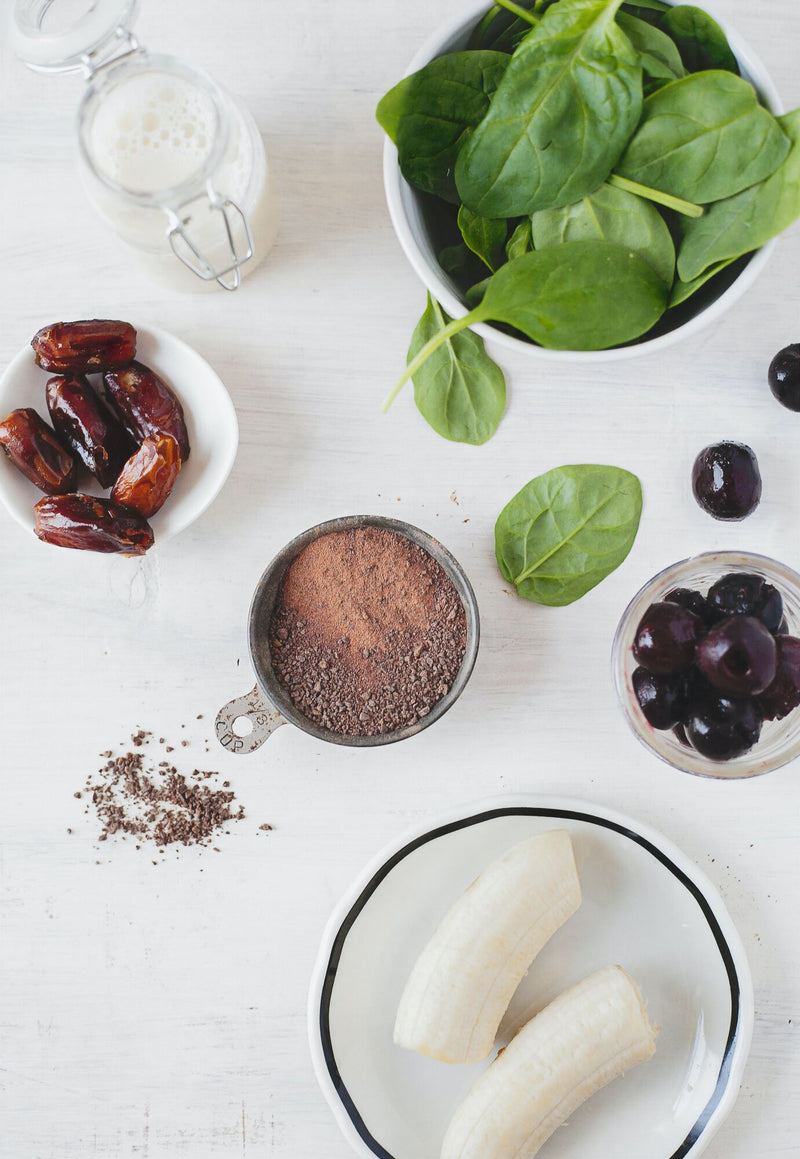
In recent years, plant proteins also known as vegan protein powder, have undergone substantial improvements in not just quality but also digestibility. When blended, they can offer a full amino acid profile that is similar to whey. This makes it a great alternative for those working out and avoiding dairy.
Who should choose plant-based protein?
- Those with a dairy intolerance or sensitive digestion
- Vegans or vegetarians
- Those looking for easier, less heavy digestion
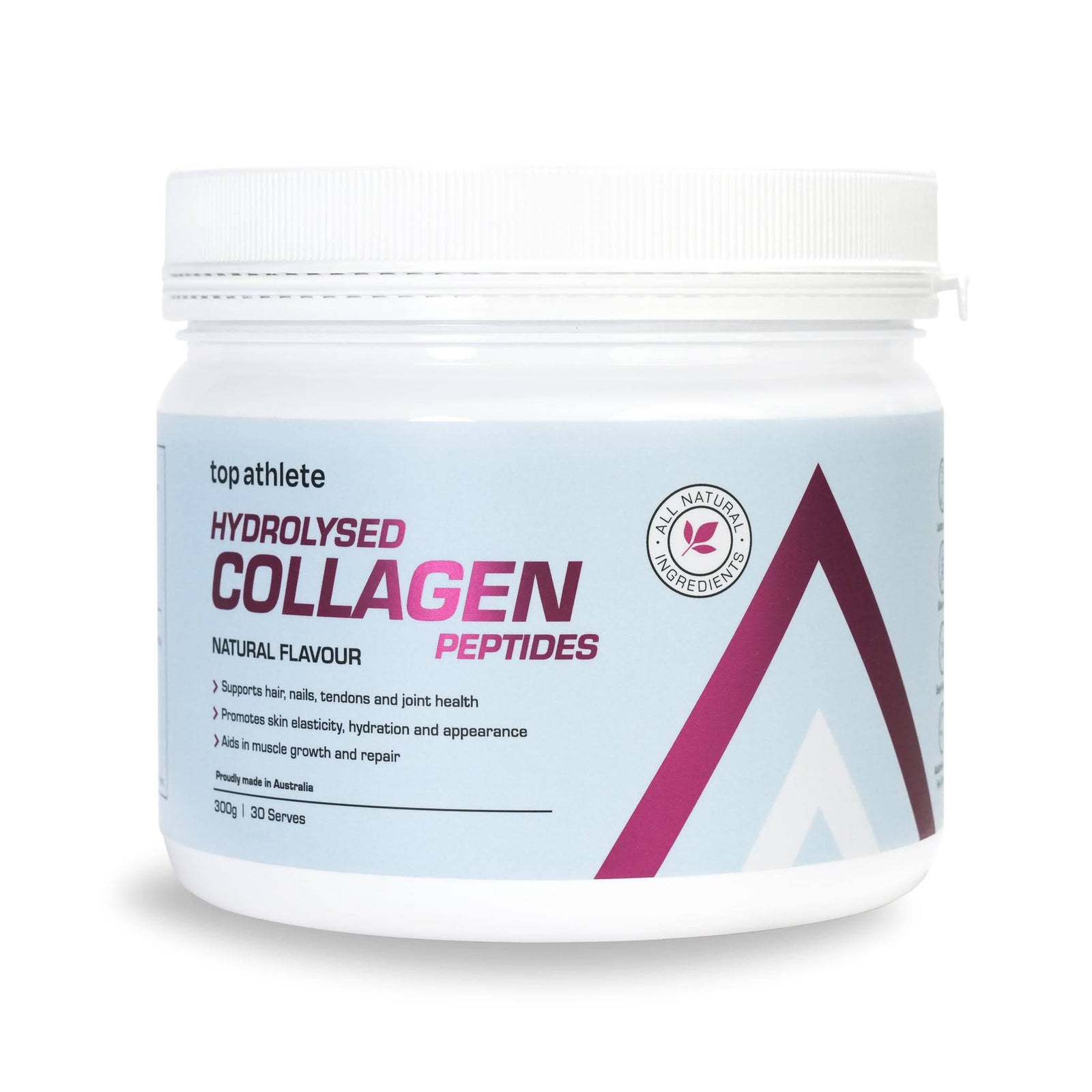
What is Collagen?
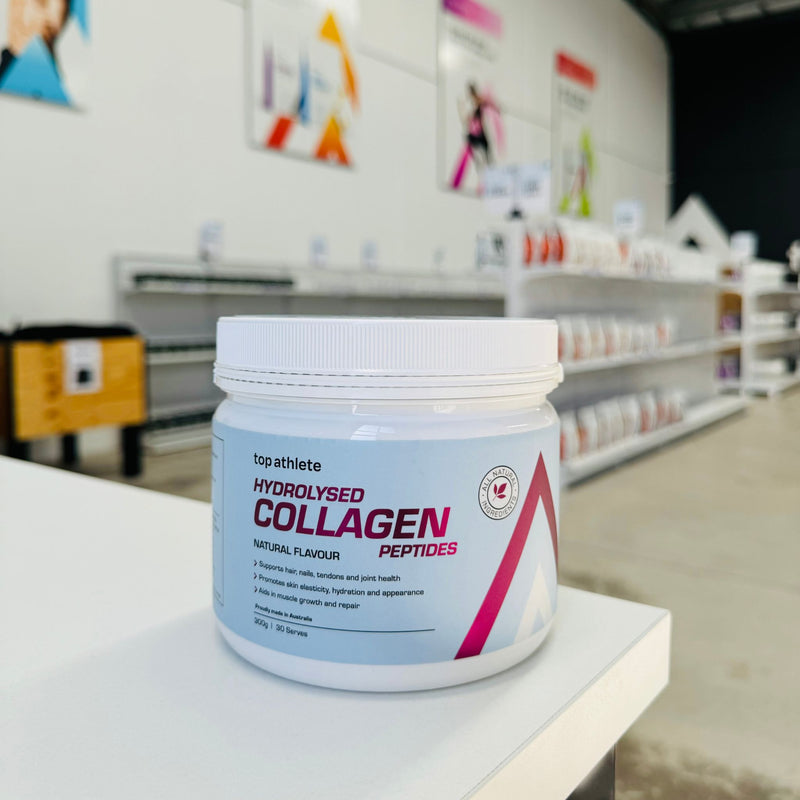
Hydrolysed collagen is not a protein powder for muscle repair and recovery. It’s beneficial in the support of soft tissue, not for building muscle, but it does support tendon and joint health.
Who is collagen useful for?
- Those who need to manage tendon or joint discomfort
- Those in extreme physical, high-impact sports
- Those who participate in joint intense exercises and sports
How can I use collagen properly?
Collagen is most effective when combined with Vitamin C, and consumed within 30 to 45 minutes before joint and tendon-stressing exercise. It should be used alongside other protein sources, not as a replacement for them.
Which Type of Protein is Best For My Goals?
Building lean muscle
If you’re looking to build muscle, whey isolate or whey concentrate are the best options. This is due to their fast absorption and high essential amino acid content, which is critical for muscle growth and tissue repair.
General recovery
If you’re looking to improve recovery, then consider using whey post-session and casein before bed. Alternatively, you can use a protein blend. This mix will cover recovery post-training and overnight whilst sustaining your amino acid needs.
Better soft-tissue health
For better joint and tendon health, use collagen before any soft-tissue intensive workouts, and combine with vitamin C for the most effective results.
Fat loss while maintaining muscle
If you’re looking to lose fat whilst also maintaining muscle, then whey isolate and casein in combination are your best shout. The high protein and low calorie count is perfect for satiation and making sure that you feel full.
Dairy-free requirements
If you’re vegan or vegetarian, or have lactose intolerance and/or sensitive digestion, then pea-rice plant blend proteins are a great alternative. They offer a complete amino acid profile, whilst offering easier digestion.
How Much Protein Do I Actually Need?
Australian government health guidelines recommend that adults who are active aim for a higher protein intake. The suggested amount is 1.6 to 2.2 g per kilogram of your body weight.
What’s The Best Option For my Body?
There isn’t one true answer here, the best protein powder for you will depend on your goals, training workload, time schedule and how your digestion works.
If you’re not sure, begin with whey isolate for recovery post-session, then adjust from there depending on how your body responds.
Every person’s body and goals are different. It’s best to start small and gradually increase until you find the optimal level for you.

Frequently Asked Questions About Proteins
-
Do I really need protein powder if I’m eating well?
It’s not always required, lots of people meet their bodies' needs just through the food they consume. If you train often, require a high amount of protein, or struggle with your appetite, then a supplement can make things a lot easier. -
What is the easiest protein to digest?
Whey isolate or a plant-based protein blend are the easiest to digest. Whey isolate, compared to whey concentrate, contains less lactose. Plant-based protein is generally easier to digest. -
Is plant protein as good as whey for muscle growth?
If you use a complete blend (one with pea and rice), then yes. Research has shown that, when the protein level is matched, then plant blends support muscle repair just as much as whey does. -
Can teenagers use protein powder?
It should never be used as a meal replacement, only as a complementary aid. Often, teens who are active will meet their needs through the regular meals they eat. If you are considering a supplement, it’s something that you should discuss with a doctor or dietitian. -
Can collagen be used instead of whey?
Collagen isn’t a complete protein and doesn’t support muscle recovery as effectively as a protein powder like whey. It’s something that can be used as an aid alongside a protein source if you’re trying to work on tendon and joint health. -
What can I do if I feel bloated after protein shakes?
In this case, try switching to either whey isolate or a plant-based alternative, as they are much easier to digest. Always check the ingredients on the back of your protein powder. Watch for additional sweeteners or fillers as these are things that can cause such symptoms in people.