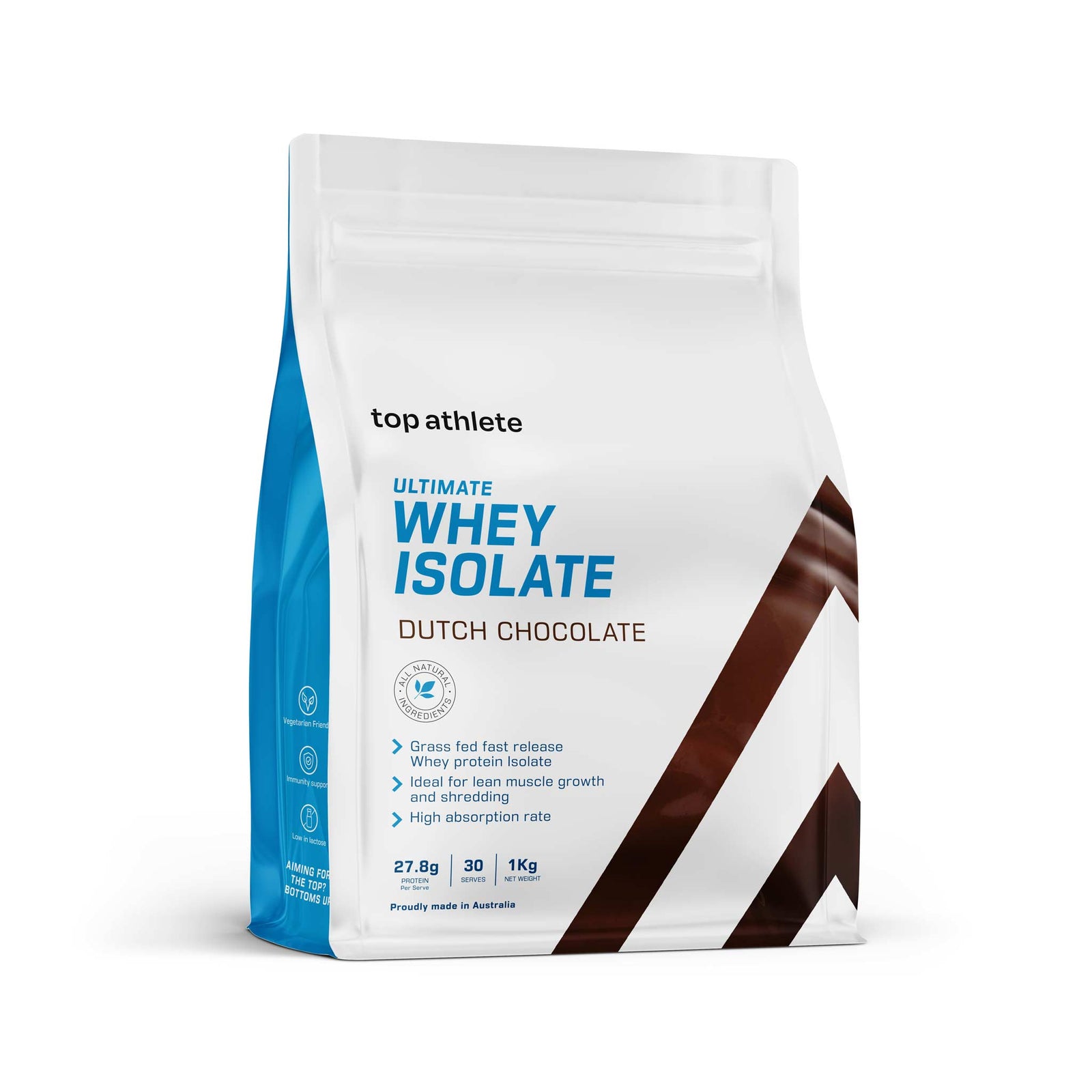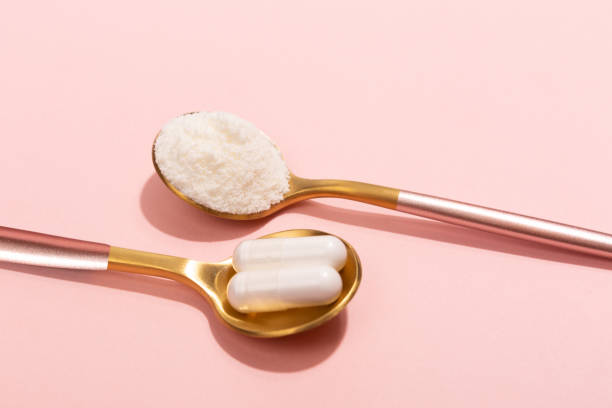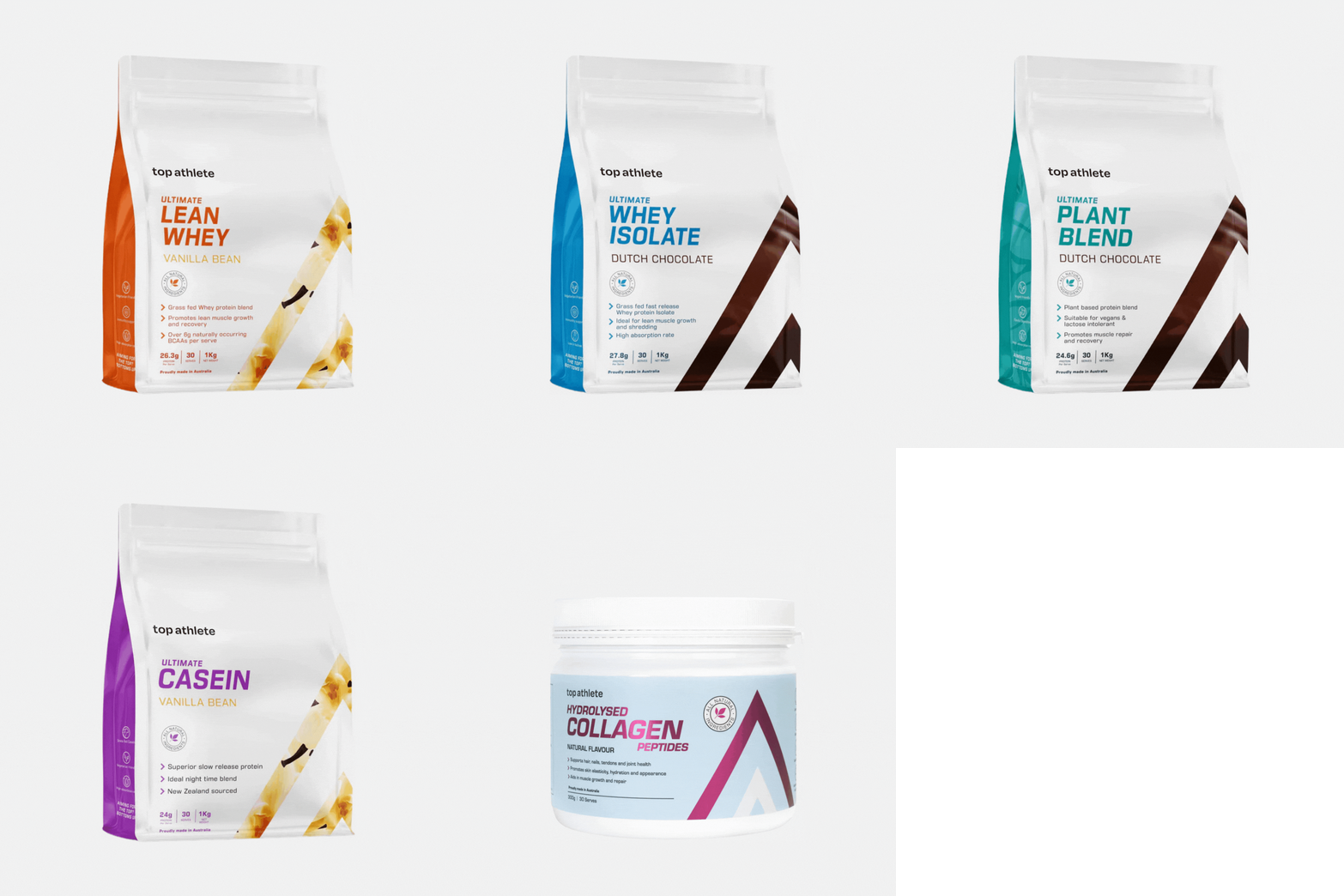
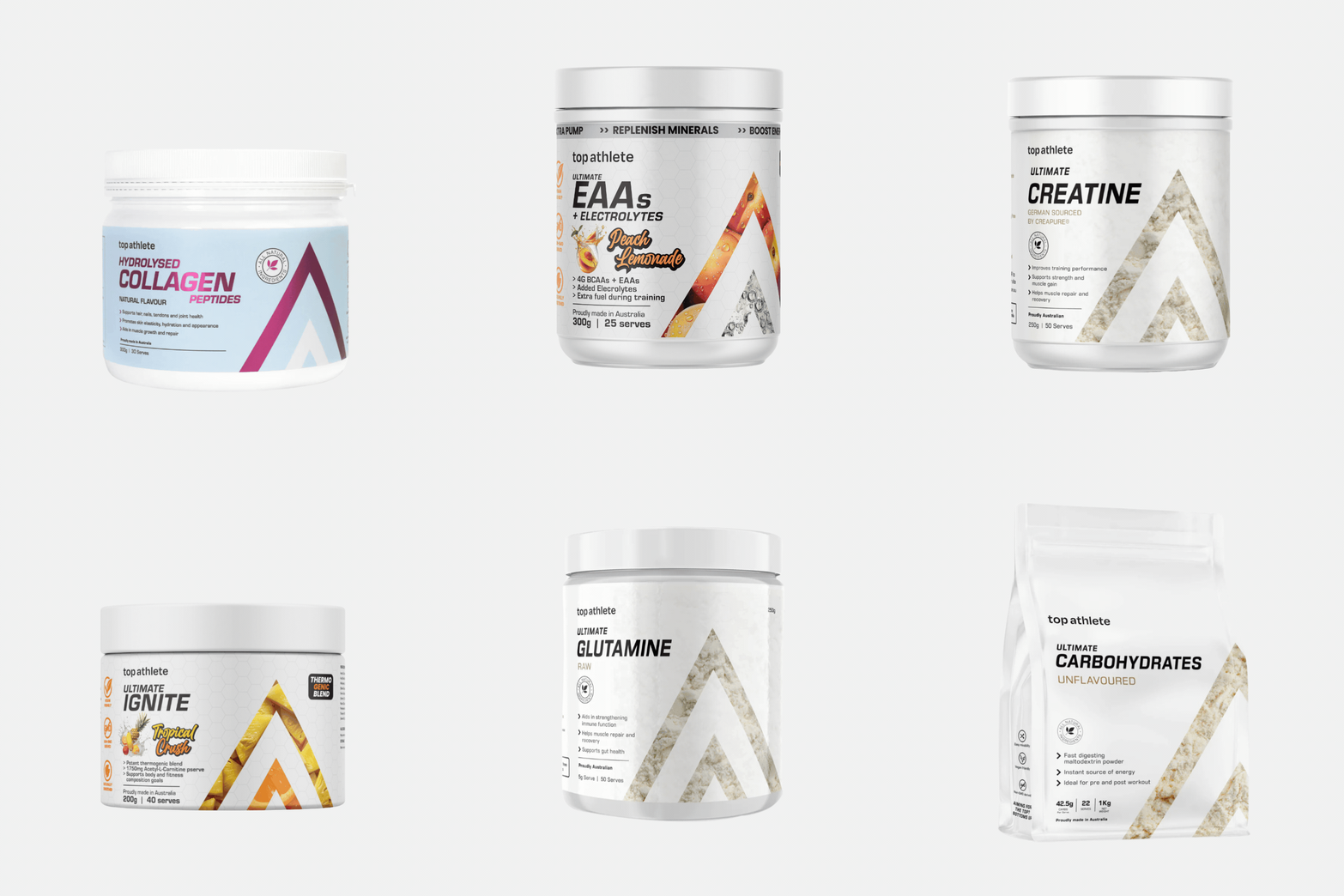


With many different types of protein supplements sold at health food stores and the supermarket health and medicine sections, it can be hard to differentiate between the good vs the not so good brands on the market. Grass fed whey protein seems to be the popular choice at the moment, but is it healthier? At Top Athlete supplement store, we know how important a healthy diet is. Let's take a closer look at what makes grass-fed whey protein different, particularly in terms of ingredient quality and Australian farming standards.

Grass Fed: What Does This Really Mean?
Grass fed protein is the current buzz word in the health and fitness industry. Grass fed is where cows have been raised on open, green pastures – the exact opposite of confined feedlots, where grain such as corn, wheat or barley is their staple diet. When you compare the two, the overall protein quality is significantly different. Not only is the quality of milk better on grass fed nutrition - by extension, the whey protein derived from it is much its grain fed counterpart.
Something else to consider is the different farming standards between Australian producers – as this can also vary in quality. Not all 'grass fed' products are automatically created equal. If you're serious about sourcing the best quality whey protein, it's always a good idea to do your own research and consider the following questions: Where does the milk come from? Is there full disclosure on the product label? Is there mention of sustainable farming practices? This is a good place to start along your research journey.
Let's Talk Ingredient Quality
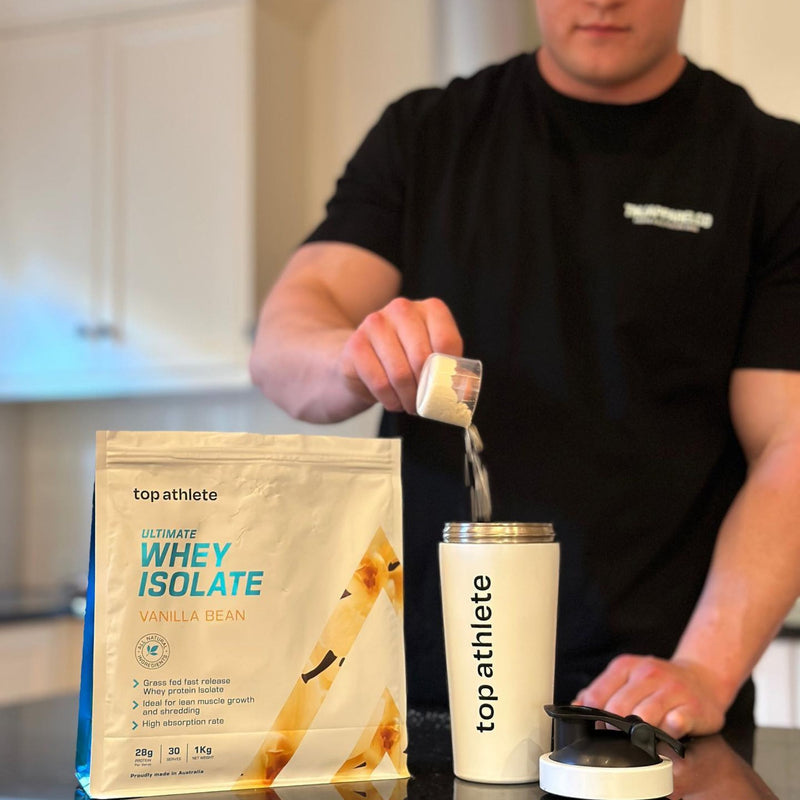
Whey protein is a by-product of cheese making and is heavily dependent on how the raw milk is produced and handled during the manufacturing process. Grass fed whey is more common in smaller dairy operations, with quality control processes being much more streamlined from paddock to final production. When searching for the highest quality whey protein products, it's important to pay attention to the following labelling.
- A superior whey protein isolate should deliver a minimum of 90% protein by weight
- Isolates are filtered better than concentrates – so look for fat and lactose levels that may potentially impact lactose sensitivity
- Where is the whey protein sourced? Locally sourced milk from Australian farming producers is a better choice, as the Australian Food and Safety Standards are considered one of the best in the world.
According to Food Standards Australia New Zealand, all food products sold in Australia must comply with the Australia New Zealand Food Standards Code. This means, every product label, composition, safety and science backed data must meet these requirements. This gives Australian buyers extra peace of mind when it comes to sourcing good quality whey protein products.
Click here for more information: https://www.foodstandards.gov.au/food-standards-code
Watch Out For Those Sneaky Artificial Additives
Unfortunately, many of the mass-produced protein powders we see on supermarket shelves and health food shops today include artificial colours, flavours and fillers. If you're someone who consumes protein supplements on a daily basis, this is something to be mindful of if you want to eat cleaner.
Grass-fed whey products tend to be produced on a smaller scale – with less ingredients listed on the packaging. It's also worthwhile to read the label carefully before buying, just to make sure that artificial sweeteners are kept to a minimum.
Australian Whey Protein Isolate: Why More Australians Are Switching to Locally Made Protein
Over the years, we have seen a significant shift in consumer preferences, particularly towards choosing locally produced Australian whey protein supplements over globally sourced products. Why? Because, buying locally made means greater supply chain transparency. It also tends to be fresher, spends less time in storage and refrigeration, while still retaining its efficacy over time. A good balance between quality and price is what Aussie consumers are looking for.
Important disclaimer: Grass fed is not a magic ingredient that works wonders on its own. A culmination of different factors come into play that make a protein supplement live up to its high standards – this includes things such as farming standards, ingredient quality, additive count and where the local whey protein is sourced from.
For health conscious Australians, it's important to look for complete transparency on product labels and buy from companies that recognise the health benefits of grass fed vs other whey protein supplements.

FAQs on Grass Fed Whey Protein
Is grass fed whey protein actually better than regular whey protein?
Grass fed whey protein is often considered a higher quality option because the cows are raised on open pastures rather than grain heavy feedlots. This can influence the quality of the milk used to produce the whey, while also supporting more natural farming practices. However, ingredient quality, protein percentage, filtration methods and manufacturing standards all play an important role too.
What does “grass fed” mean in whey protein?
Grass fed refers to dairy cows that primarily graze on pasture based diets rather than being raised in confined feedlots on grain based feeds. This style of farming is commonly associated with cleaner dairy production and less intensive farming methods.
Is Australian grass fed whey protein better?
Many Australians prefer locally sourced lean whey protein because Australian dairy producers operate under strict food safety and quality standards. Locally produced whey protein is also generally fresher, with shorter transport and storage times compared to imported alternatives.
What should I look for when buying whey protein isolate?
A high-quality whey protein isolate should ideally contain around 90% protein by weight, while remaining low in carbohydrates, fats and lactose. It’s also important to check where the whey is sourced from and whether the brand provides transparent ingredient information.
Is whey protein isolate better for lactose sensitivity?
Whey protein isolate is filtered more thoroughly than whey concentrate, which removes much of the lactose and fat content. This makes isolate a more suitable option for many people who experience bloating or digestive discomfort from regular dairy products.
Are all grass fed protein powders the same?
No. Some brands use the term “grass fed” loosely, while others provide full transparency about sourcing, farming standards and ingredient quality. Reading product labels carefully and researching where the whey comes from can help you make a more informed decision.
Why do some protein powders contain artificial additives?
Mass produced protein powders often include artificial flavours, colours, sweeteners and fillers to reduce production costs or improve taste. Many people choose smaller batch or premium whey protein products because they tend to use cleaner ingredient profiles with fewer unnecessary additives.
Does Australian whey protein follow food safety regulations?
Yes. Protein supplements sold in Australia must comply with the Australia New Zealand Food Standards Code, which regulates food safety, labelling and ingredient standards. This provides additional confidence for consumers purchasing locally made products.
Is locally made whey protein fresher?
In many cases, yes. Australian-made whey protein typically spends less time in transport, warehousing and refrigeration compared to imported products, which may help maintain freshness and overall product quality.
Is grass fed whey protein worth the extra cost?
For many health conscious consumers, the combination of ingredient transparency, Australian sourcing, cleaner formulations and farming standards makes grass fed whey protein worth considering. The key is choosing a reputable brand that focuses on quality rather than marketing buzzwords alone.