

There's a persistent idea floating around gyms that plant based protein powder is a compromise. That if you're serious about building muscle, you'll eventually have to go back to whey. It's one of those half-truths that has hung around long past its expiry date.
The reality is more interesting. Vegan protein powder has come a long way in a short time, and the options available to Australian athletes today are genuinely capable of supporting real muscle growth, proper recovery and sustained performance. The gap between plant and animal-based protein has closed significantly, and for many people, the right plant based option works just as well.
That said, not all vegan protein powders are created equal. There's a meaningful difference between a product that ticks a marketing checkbox and one that's formulated to actually do something in your body. Understanding that difference is worth your time, especially if you're spending money on supplements you expect to work.
This article walks through exactly what to look for, what the science says, and how to get the most out of plant based protein whether you're training for strength, muscle growth, or general fitness.

Why More Australians Are Choosing Vegan Protein Powder
The shift toward plant based protein isn't just driven by vegans and vegetarians. A growing number of gym-goers and athletes who eat meat are adding plant protein into their routines for practical reasons: digestion, ingredient transparency, dietary variety, or simply because they want a clean option that sits well in the stomach.
There's also the quality question. Some people switch to vegan protein powder not for ethical reasons but because they want to know exactly what's in their supplement. Products made from whole food plant sources with no artificial flavours, sweeteners or fillers are increasingly the preference for health-conscious consumers, and the plant protein category has responded with better formulations.
If you've been curious about vegan protein but unsure whether it can actually support muscle growth, the answer is yes, with a few important considerations.
The Protein Quality Question: Can Plant Protein Build Muscle?
This is the core concern for most people considering vegan protein powder. Protein quality is measured in part by its amino acid profile, and specifically its leucine content. Leucine is the key trigger for muscle protein synthesis, the process by which your body repairs and builds new muscle tissue after training.
Animal-based proteins like whey are naturally high in leucine and contain all nine essential amino acids in a readily available form. Many single-source plant proteins are lower in one or more essential amino acids. Pea protein, for example, is low in methionine. Rice protein is low in lysine.
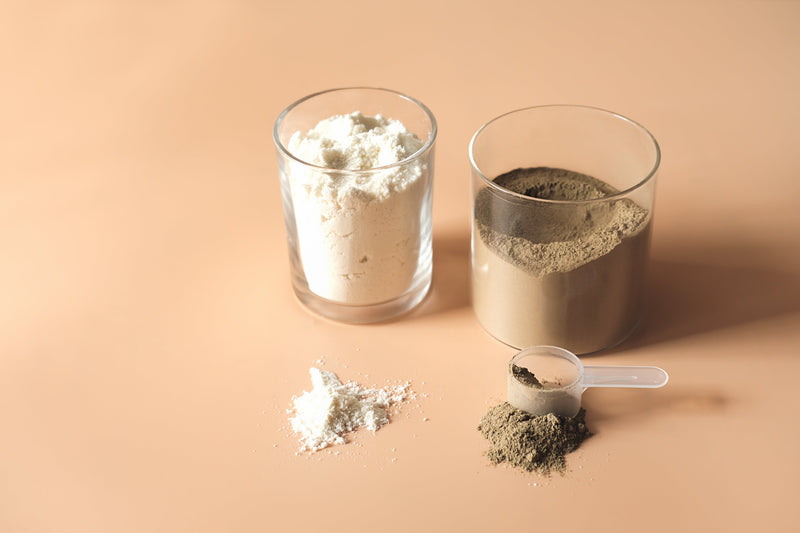
This is where formulation matters. The best plant based protein powders blend multiple sources to cover each other's gaps. A pea and rice protein blend is the most researched and widely used combination because their amino acid profiles are complementary. Together, they create a complete protein with a full spectrum of essential amino acids, including leucine levels comparable to whey.
A 2020 study published in the Journal of the International Society of Sports Nutrition found that a pea and rice protein blend produced similar muscle thickness gains to whey protein over an eight-week resistance training programme. Participants consumed 25 grams of protein per serving. The results were comparable across both groups.
The takeaway: a well-formulated vegan protein powder can support muscle growth on a par with whey, provided you're hitting your leucine threshold per serve and your total daily protein target.
What to Look For in a Quality Vegan Protein Powder
Protein Content Per Serve
The first thing to check is how much protein is actually in each serving. A quality vegan protein powder should deliver at least 20 to 25 grams of protein per serve. Some products pad their serving sizes with fillers and end up delivering 15 to 18 grams of actual protein. Check the macros, not just the serving size.
Leucine Content and Amino Acid Completeness
Look for products that either list their leucine content or are formulated from a blend that ensures amino acid completeness. Pea protein combined with brown rice protein is the gold standard for plant based formulations. Blends incorporating hemp, pumpkin seed or sunflower seed can also add to the amino acid breadth and general nutrient density.
If the product is a single-source plant protein with no blending, it's worth scrutinising the amino acid breakdown more carefully before committing to it as your primary protein source.
Clean Ingredients
This matters more than people realise. A lot of plant based protein powders are loaded with artificial sweeteners, thickeners, bulking agents and flavouring compounds that have no place in a clean supplement. If the ingredients list reads like a chemistry exam, that's a red flag.
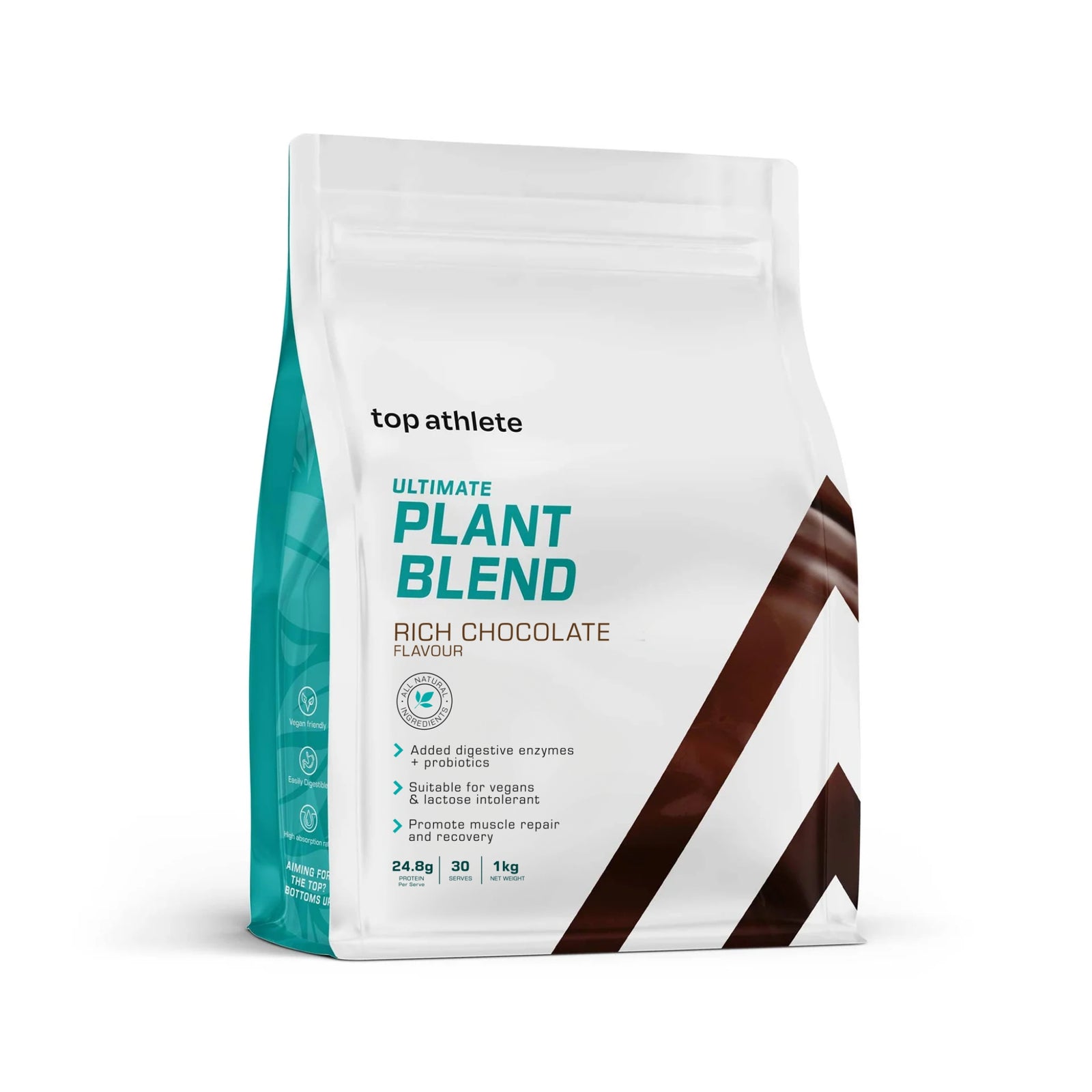
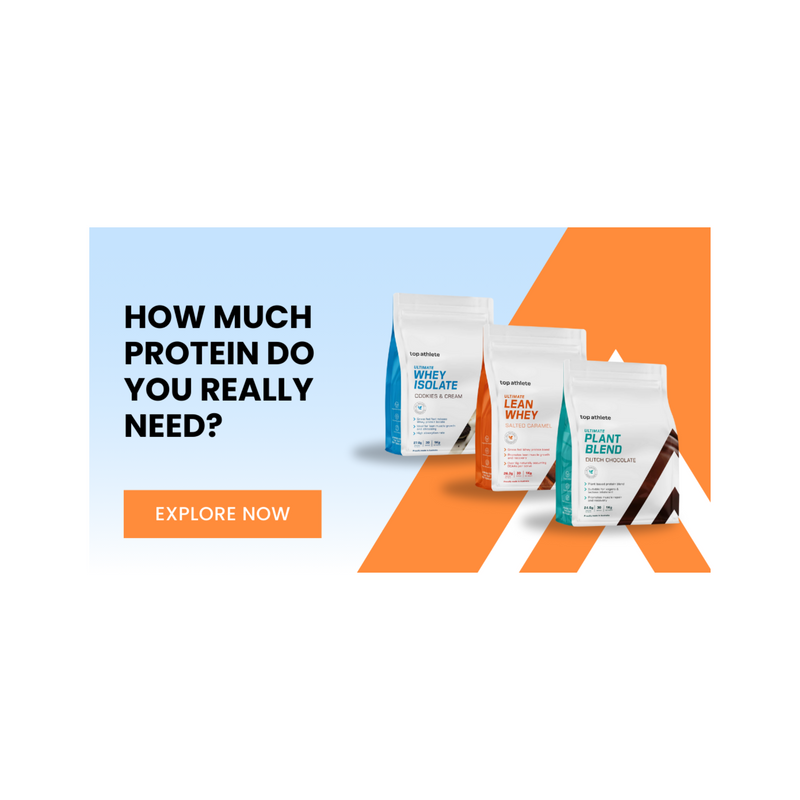
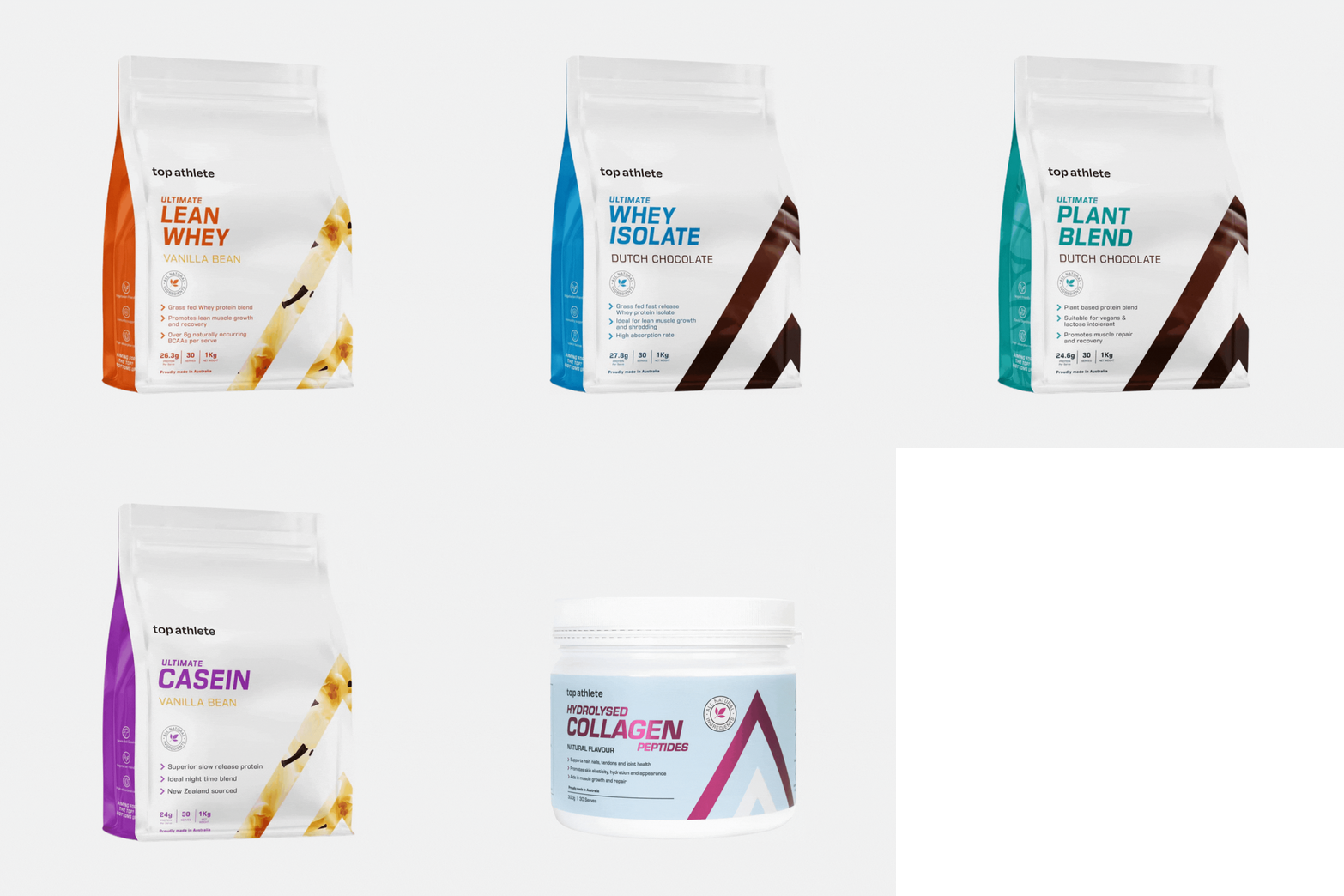
A quality product should have a short, recognisable ingredients list. At Top Athlete, clean formulation is a core principle. The plant protein products are free from artificial flavours and sweeteners, using only whole food ingredients. That's the standard worth measuring everything else against.
Digestibility
One of the genuine advantages of plant protein over whey for some people is digestibility. Whey is derived from dairy, and a significant portion of the population experiences some degree of lactose sensitivity or digestive discomfort after consuming it. Plant based proteins bypass this issue entirely.
Pea protein in particular is well-tolerated by most people. Brown rice protein is gentle on the gut. If you've ever felt bloated or heavy after a whey shake, switching to a well-formulated vegan protein powder might be the simplest solution.
How Much Plant Protein Do You Actually Need?
The general guidance for muscle growth is 1.6 to 2.2 grams of protein per kilogram of bodyweight per day. For someone training seriously at 80 kilograms, that's 128 to 176 grams of protein daily.
A single serve of vegan protein powder typically covers 20 to 25 grams of that target. Used as a post-workout shake or a convenient meal supplement, it fits naturally into a structured nutrition plan. Two serves across the day alongside protein from whole foods puts most people comfortably in the right range.
One thing worth knowing: because some plant proteins have a slightly lower digestibility coefficient than whey, some sports nutrition researchers suggest nudging total protein intake slightly higher when using plant protein as the primary source. An extra 10 to 15 grams per day is the general guidance, though for most people training with a balanced diet this difference is minimal.
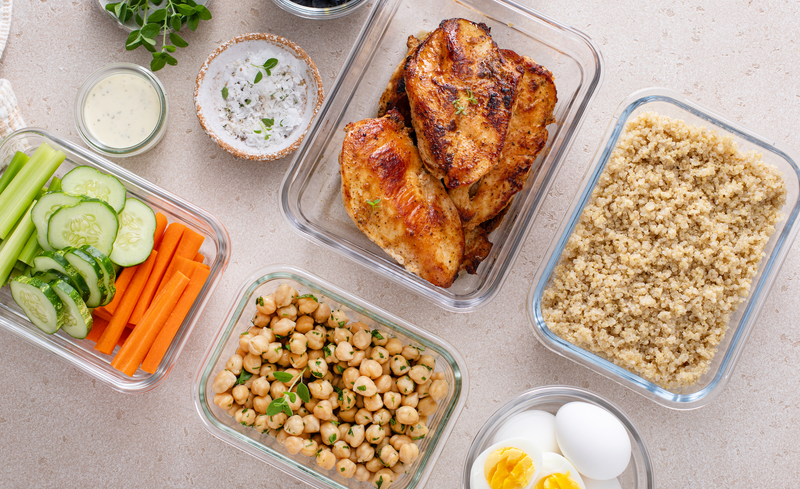
The practical advice is to not overthink the numbers. Hit your daily protein target from whole foods and a quality plant protein supplement, train consistently, and recovery will follow.
Vegan Protein Powder vs Whey Protein Isolate: Which Is Right For You?
This is probably the most common question people ask when exploring vegan protein for the first time. The honest answer is that both can work, and the right choice depends on your body, your goals and your preferences.
Whey Protein Isolate
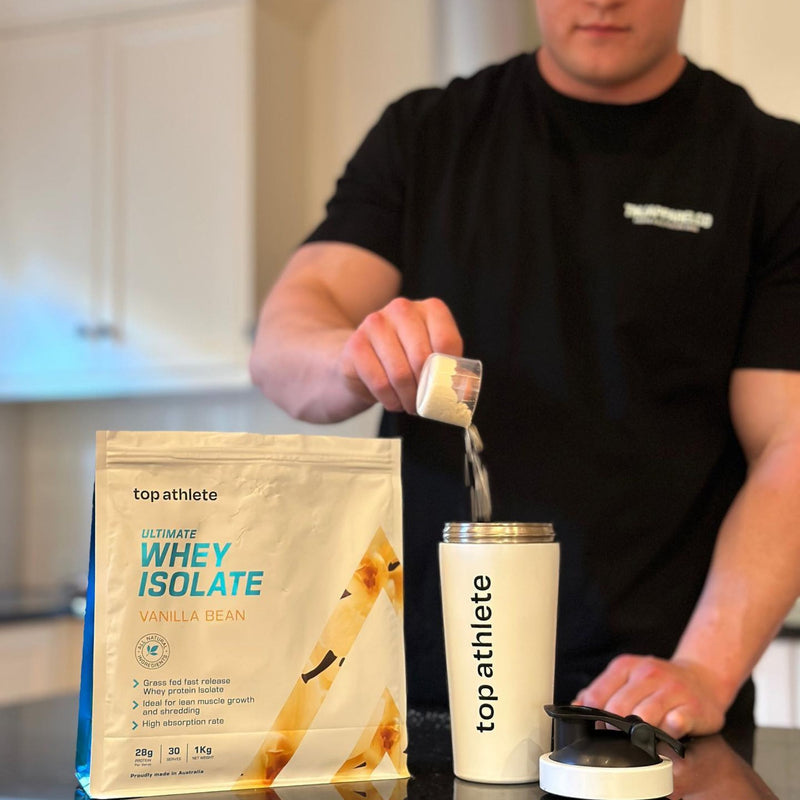
Whey Protein Isolate is the gold standard in terms of amino acid density, leucine content and digestibility. It's the most-researched protein source in sports nutrition, and for good reason. It works extremely well for muscle recovery and growth, absorbs quickly, and is particularly effective in the post-workout window.
Vegan Protein Powder
Vegan Protein Powder is the better choice if you're lactose intolerant, experience digestive issues with dairy-based proteins, or simply want to diversify your protein sources. A well-formulated plant blend can match whey's performance outcomes, and the ingredient transparency available in the best plant-based products is genuinely impressive.
Some athletes use both. A whey protein isolate post-workout for maximum leucine delivery, and a plant protein at other meals for digestive comfort and variety. There's no rule that says you have to pick one.
Stacking Vegan Protein With Other Supplements
Creatine Monohydrate
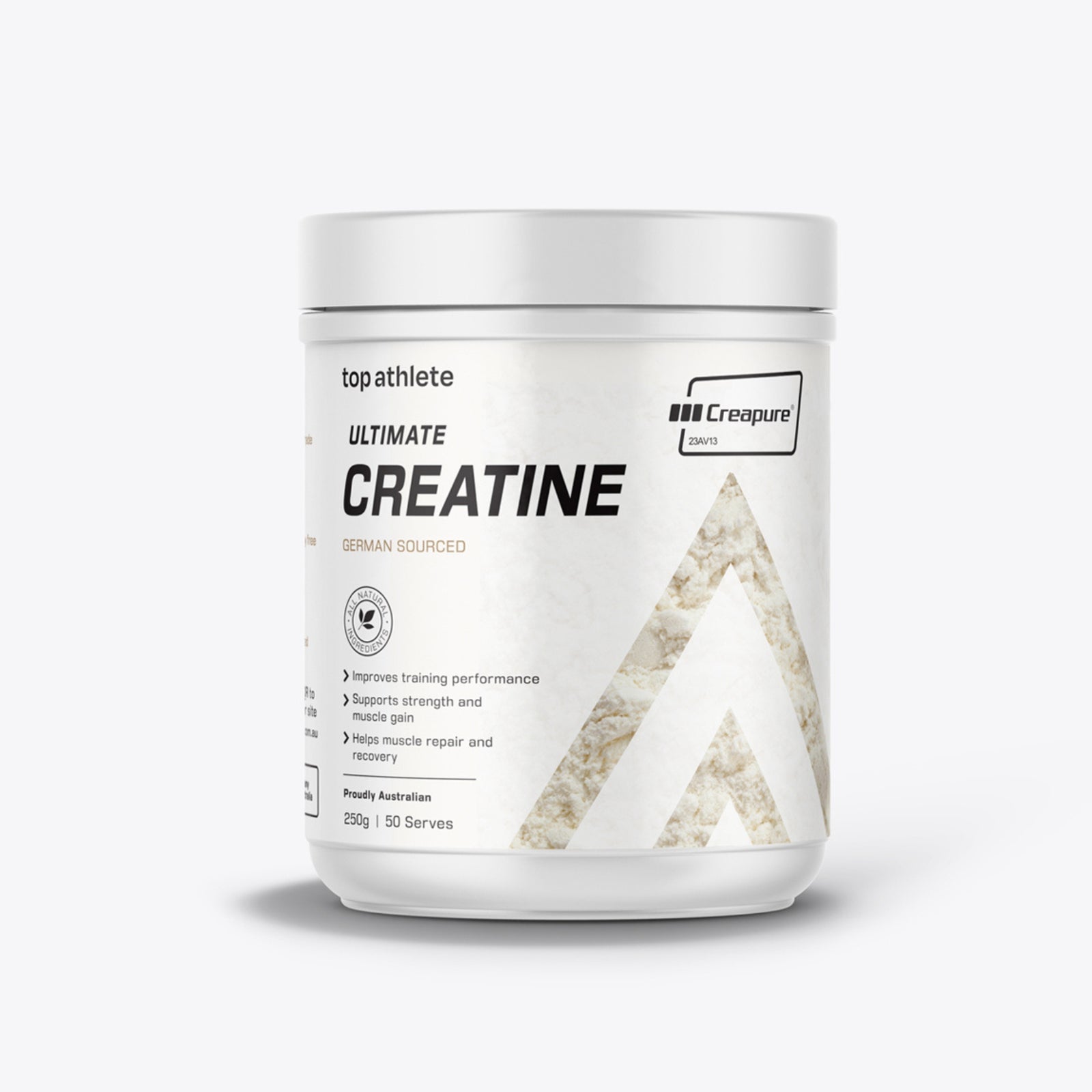
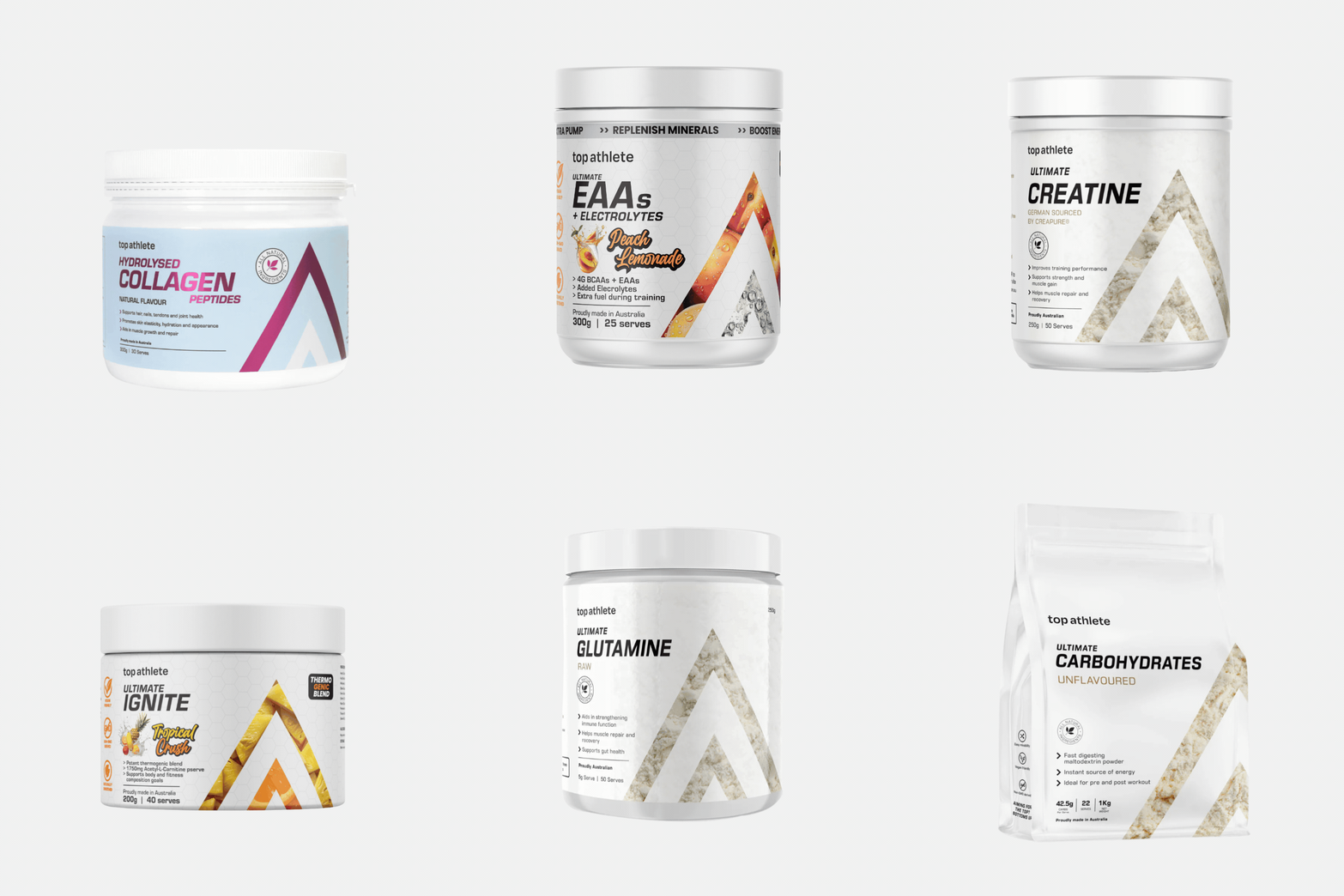
Creatine Monohydrate is the most well-supported performance supplement available, regardless of diet. It enhances strength, power output and muscle fullness through a mechanism entirely separate from protein intake. Creatine is completely vegan-friendly. If you're using plant protein for muscle growth, adding creatine monohydrate is one of the highest-leverage additions you can make.
Collagen Peptides
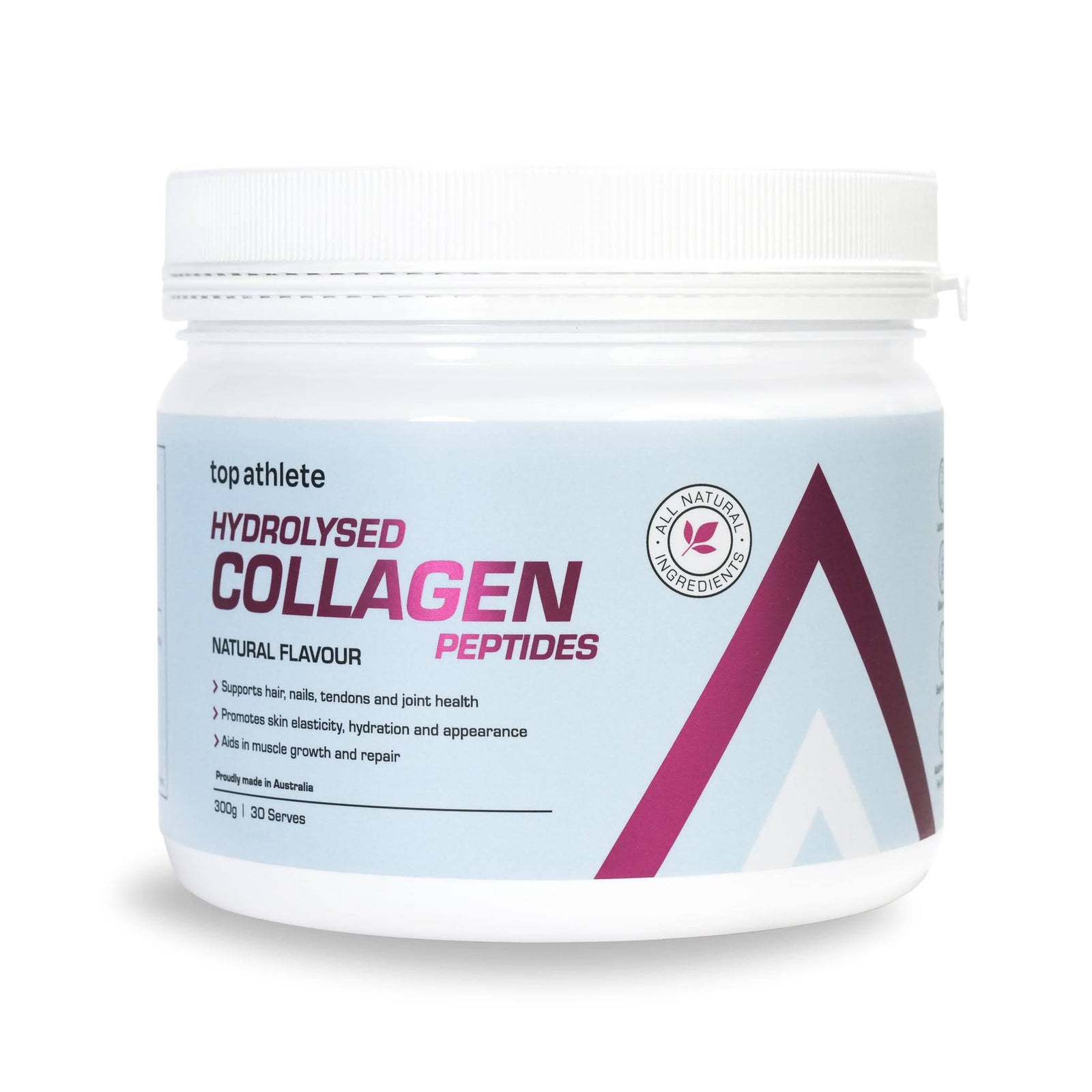
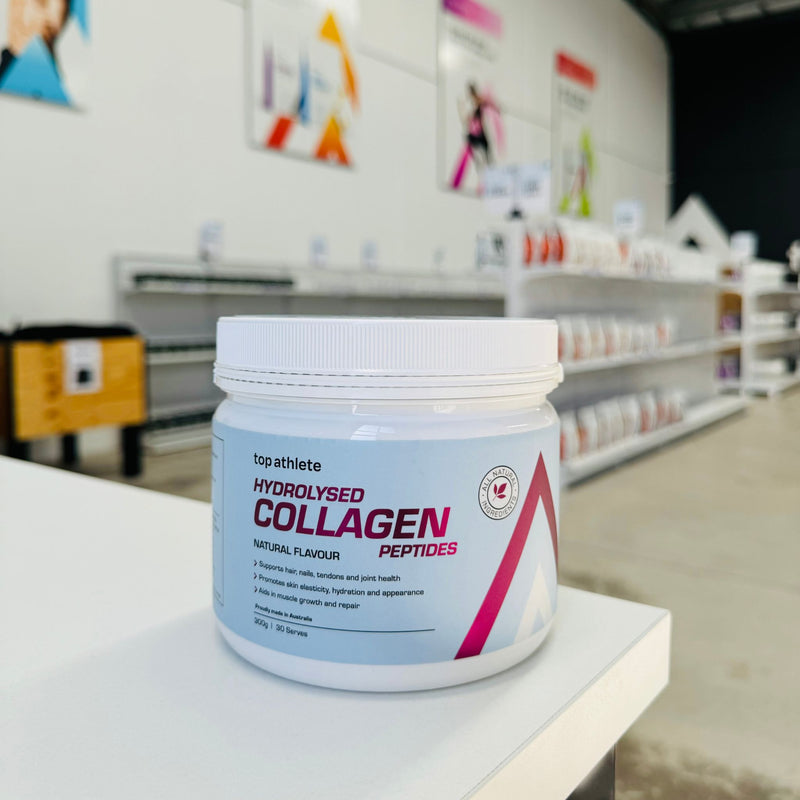
Collagen Peptides are worth considering for connective tissue support, joint health and recovery. Collagen is not a complete protein and is not the best choice as a muscle-building protein source, but it serves a distinct function in supporting tendons, ligaments and skin. It stacks well alongside your primary protein source rather than replacing it.
Essential Amino Acids (EAAs)
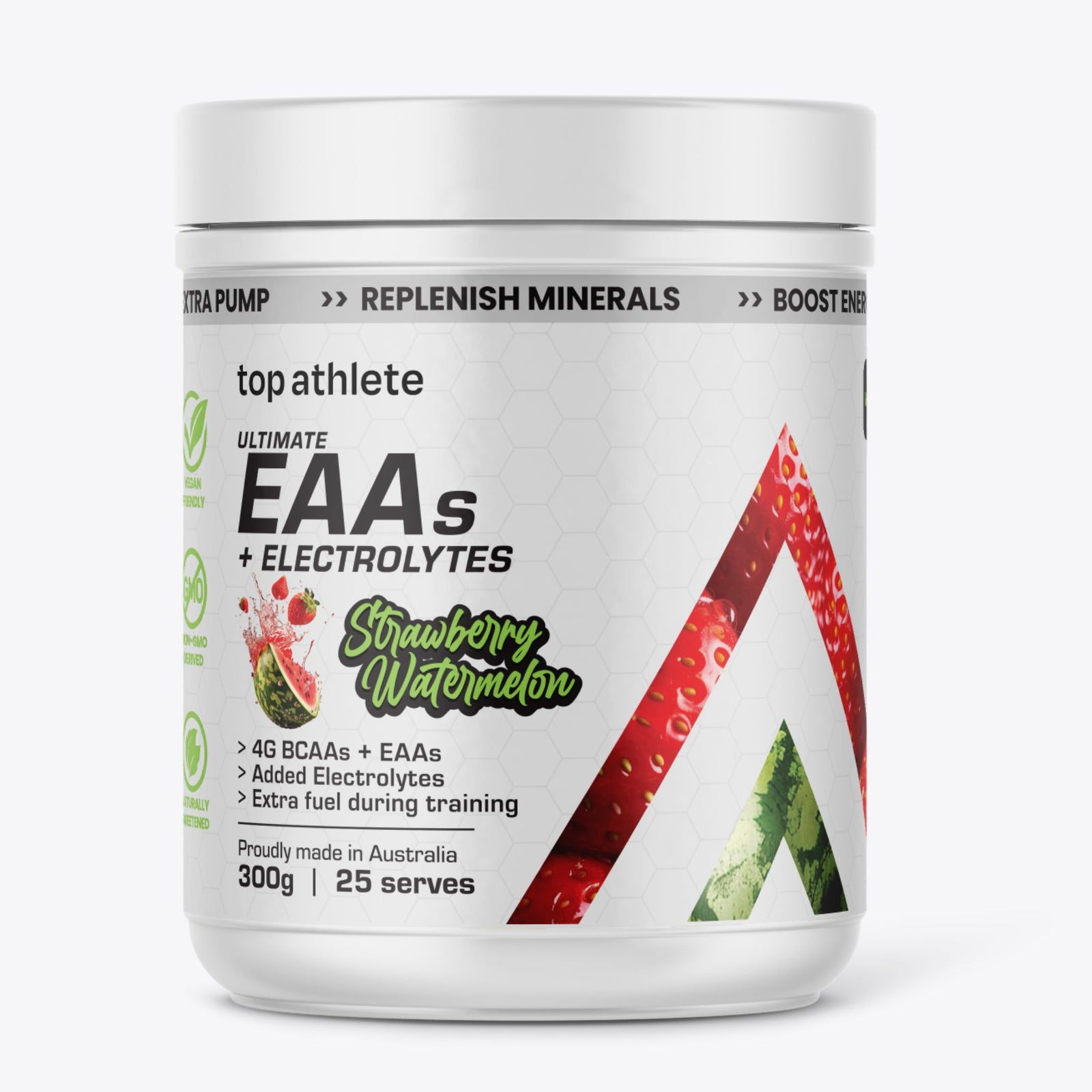
Essential amino acids (EAAs) are another option worth knowing about. If you're training in a fasted state or want to maximise muscle protein synthesis around a session without a full protein serve, an EAA formula gives your muscles the key building blocks without the caloric load of a full shake.

Reading Labels at a Supplement Store: What To Ignore
If you've spent time in a supplement store or scrolling through online options, you'll have noticed that marketing on protein packaging can be overwhelming. Here's what's worth cutting through.
The phrase "plant based" on its own means very little. It describes the source, not the quality.
"Complete amino acid profile" is worth checking carefully.
"Added vitamins and minerals" sounds appealing but can mask a weak base formula.
A great protein powder should stand on the quality of its protein first.
Practical Tips: Getting The Best Results From Vegan Protein
Timing still matters. Post-workout is the highest-leverage window for protein delivery. Getting 20 to 25 grams of plant protein in within 30 to 60 minutes of finishing a session supports recovery and muscle protein synthesis.
Don't rely on protein powder alone. Whole food protein sources should form the foundation of your daily intake.
Flavour and mixability matter for consistency. The best protein powder in the world is useless if you don't enjoy using it.
Stay hydrated. Plant proteins, particularly those higher in fibre, work best with adequate water intake.
Vegan protein powder is no longer a compromise. It's a legitimate, effective option for athletes and gym-goers who want to build muscle, support recovery and maintain clean nutrition.
The key is choosing a product formulated for performance, not just for a marketing label.
If you're ready to explore what plant based protein can do for your training, visit the About Us page to learn more about Top Athlete's approach to clean supplementation, or reach out via Contact Us with any questions about which product suits your goals.

FAQ: Vegan Protein Powder for Muscle Growth
Can vegan protein powder actually build muscle?
Yes. A well-formulated vegan protein powder can support muscle protein synthesis and growth comparable to whey protein.
What is the best plant based protein powder for muscle growth?
Look for a blend of pea protein and brown rice protein with 20 to 25 grams of protein per serve.
How does vegan protein compare to whey protein isolate?
Whey absorbs slightly faster, but a quality plant protein blend can achieve very similar outcomes.
When should I take vegan protein powder?
Post-workout is ideal, but it can also be used throughout the day to help meet protein targets.
Is vegan protein powder suitable for people who aren't vegan?
Absolutely. Many people choose plant protein for digestion, ingredient transparency and variety.
Do I need to take more vegan protein than whey?
Possibly slightly more, but for most people the difference is minimal.
Can I stack vegan protein with creatine?
Yes. Creatine and vegan protein complement each other extremely well.
What ingredients should I avoid?
Avoid excessive artificial sweeteners, flavours, thickeners and unnecessary additives.
Is plant based protein powder good for weight loss?
Yes. It helps support satiety and preserve muscle mass while dieting.
Where can I buy quality vegan protein powder in Australia?
Top Athlete stocks clean, third-party tested plant protein products available Australia-wide.